



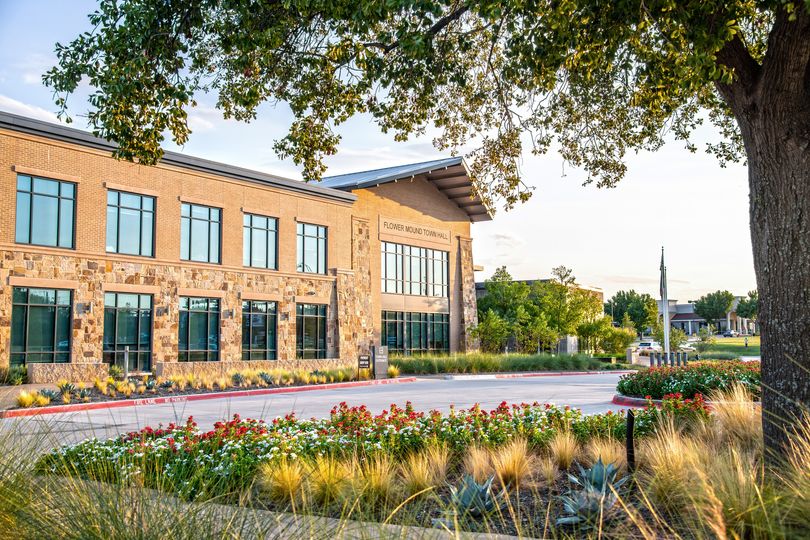
Flower Mound will likely have to face tough budget decisions in the next couple of years, but it is not in any sort of financial crisis, the town says.
Residents have recently voiced concerns about Flower Mound’s budget amid talks of a tax rate increase and possible service cuts, especially with a cultural arts center in the works.
Those residents will soon have the chance to vote for or against a tax rate increase through a Voter Approved Tax Rate Election (VATRE), which will give them a choice to either fork over a few more bucks to the town or decide what should be cut from a future budget.
However, it doesn’t mean the town is in financial peril, and the cuts might not be as drastic as they seem. If approved, any major changes won’t happen until at least 2027, and residents will have a say.
The changes wouldn’t go into effect until the Fiscal Year 2028 budget, but the town said a VATRE could be pushed further back, based on a multitude of factors. Council will have the final decision whether to send it to voters, and when.
No matter what, Flower Mound’s library will remain open and the town’s police and fire departments will remain sufficiently funded.
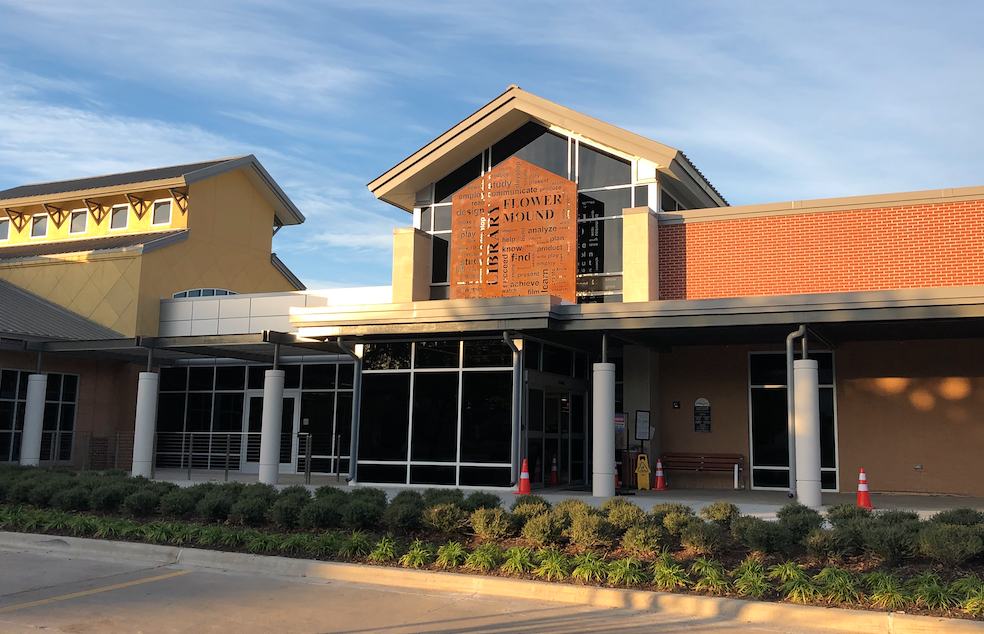
The town doesn’t have many buildings to close, especially anything that would magically save enough money to avoid a VATRE. Flower Mound only has one library, with plans for a kiosk at the new fire station out west, and one recreation center.
“Closing the library wouldn’t save that much. And it’s not as simple as pointing to something and it goes,” said Town Manager James Childers. “I make the argument that, historically, Flower Mound has been a fiscally tight organization, and we’re not deviating from that.”
Residents have spoken at recent council meetings, offering suggestions for what council should do – cut this, cut that, quick-track new developments and ‘ta-dah,’ budget fixed.
However, solving the budget isn’t as easy as allowing a bunch of developments in an effort to increase sales tax revenue.
“Every city will eventually face a VATRE. The only way you don’t face one is if you aren’t heavily dependent on property tax revenue,” said Flower Mound CFO John Zagurski. “People like to say, ‘just add something new and it will pay for this,’ but the reality is you can’t live off growth to pay for current services.”

Those things help, like the Denton Creek District and Furst Ranch developments on the way, but they don’t solve the problem. Because with every new household, business or major development comes an increased need for services.
“While development decisions do have implications on our budget, you can’t point to any one, five or ten decisions and say, ‘we would not have been in this situation had we done this,'” said Zagurski.
Despite the recent surge in resident interest, the town has been preparing for a VATRE since Zagurski arrived in March 2024.
Even with a plan, Childers and Zagurski described a VATRE as inevitable, not the product of poor town management.
It’s a mix of legislative pressures, lower property tax income and the national economy.
“People don’t like the answer that it’s no one’s fault,” said Zagurski. “But this is the result of firm financial planning and we’re going to have to change some things in two years – that’s not a panic, it’s just a bump in the road coming.”
Legislative pressure
Legislation passed in 2019 prevents municipalities from increasing revenue by 3.5%. Before that, a town or city could generate 8% more in revenue before it went to voters.
Flower Mound has been able to kick the VATRE can down the road since legislation passed because the COVID-19 pandemic followed right after, which Childers said gave the town an influx of federal aid while maintaining a lot of sales tax through online purchases.
That leeway has come to an end. Even though the town’s revenues are still increasing, the expenditures are rising at a higher rate.
Property tax
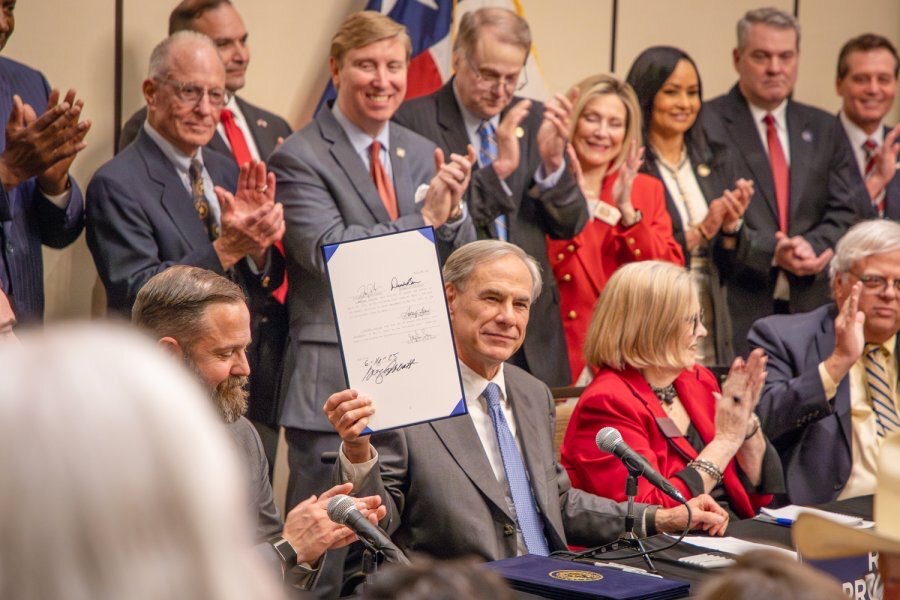
Flower Mound approved an increase to its homestead exemption in June 2025, maxing it out at 20%.
Zagurski said that decision was made consciously with residents in mind.
“A 20% homestead exemption for us is basically $16 million of forgone revenue,” he said. “That was a conscious choice that our council made – to give that money back to our residents instead of holding it and telling them to trust us with their dollars.”
At the meeting in June, council was concerned that the town might have to increase the tax rate in the event of a 2008-like recession, but Zagurski said the last example of an increase like that was in the late 90s.
The town’s finances also dipped because of new exemptions to business personal property, which Zagurski said amounted to hundreds of thousands of dollars in lost revenue.
Close to 23% of what a property owner pays in property taxes goes to Flower Mound.
According to Zagurski, many Flower Mound homeowners have paid about the same amount in property taxes to the town over the last five years, despite outside economic factors.
The economy
It’s no secret that goods and services across the nation are up, and consumers are feeling it at the pumps, at the register and in their homes.
Flower Mound is under the same economic pressures.
“It goes back to the inevitability [of a VATRE], because what’s going to push us over the edge is inflation,” said Zagurski. “The reality is we’ve been through some of the highest inflationary times that our economy has ever seen.”
“We’re subject to the same inflationary factors as everybody else is,” added Childers. “Our stuff is more expensive, the cost of living is up for our employees – we’re not shielded from what’s going on in the economy.”
Residents chime in
Town staff has no problem with the recent resident interest – they want citizens to know what’s going on and have a say, because they will be the ones that will make the ultimate decision when it comes to a VATRE.
“That’s the intention of the legislation – that we go to the voters, engage them and give them a choice in the cost of service,” said Zagurski.
Flower Mound voters will likely see the proposal in 2027, with changes being made to the FY 2028 budget. They can approve it and allow the town to continue its services at their current levels.
Currently, an average Flower Mound homeowner pays about $153 per month to the town in property taxes.
Zagurski estimated an average resident would pay about $5 more per month, based on 2026 numbers, if the tax rate increase of 3.5% were to be approved.
If voters deny the rate increase, the town will forced to make some sort of spending cuts.
Staff has already cut back on “nice-to-haves” over the last couple of years, which has led to a focus on efficiency in all departments of the town.
Flower Mound PD moved a community services officer to help with recruitment and other positions have downgraded from sworn-officer positions.
The fire department has made similar changes.
“We’re seeing departments consolidate positions to look at better ways they can achieve things and become more efficient,” said Childers. “We’ve also gained a lot of efficiency through technology these past couple of years, but we’re a people-intensive organization, so we have a need for people.”
As for future cuts or changes, it will come down to what needs the town has when looking at the budget in 2027 and whether voters approve a tax rate increase.
“[Town staff] are just stewards here to facilitate the process,” said Childers. “It’s ultimately up to the town council and the residents of the community to say what they feel is important.”
Flower Mound isn’t the only taxing entity having to propose a tax rate the voters.
Denton ISD and Northwest ISD both asked voters to approve a tax rate increase, and their requests were approved in November 2025.
The town has set up a budget webpage that provides more information on the budget for residents.