



By Jill O’Connell, Denton County Master Gardener
Fall in North Texas is a great time to spend a little extra time in the garden. As temperatures begin to cool and leaves start falling, gardeners have an opportunity to prepare their landscapes for winter and the growing season ahead. One of the easiest ways to do this is by adding mulch.
Why is mulch important? North Texas gardeners know our weather can change quickly, from warm, sunny days to freezing temperatures. Our clay soils can also become hard and compacted, while periods without rain can leave plants struggling for moisture. Mulch helps address several of these challenges.
Mulch helps moderate soil temperatures, conserve moisture, reduce weeds and limit soil erosion during heavy rains. Organic mulches also break down over time, adding organic matter that improves soil structure.
So, which types of mulch work well in North Texas, and how much should you use?
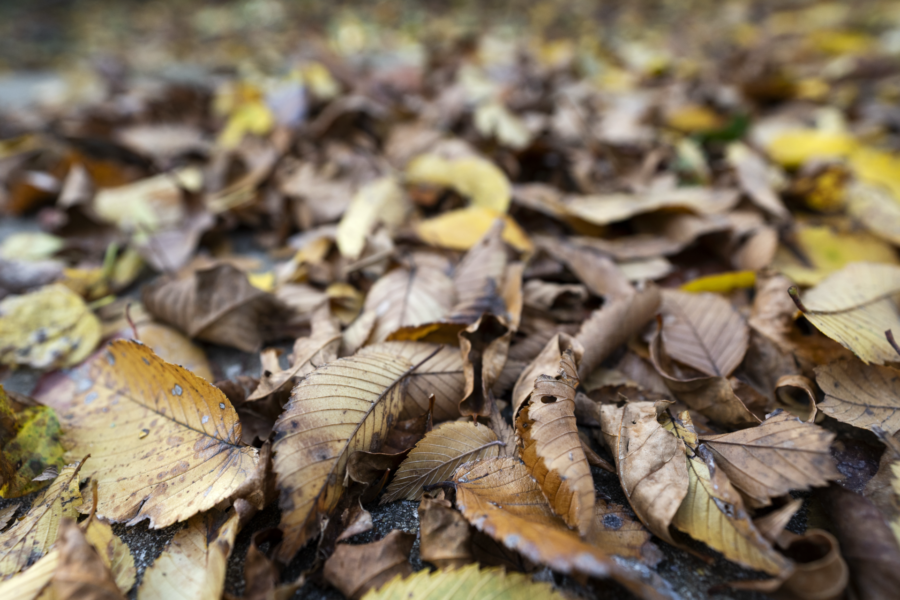
Shredded leaves are an excellent and inexpensive option. Instead of bagging fallen leaves, run a lawn mower — preferably a mulching mower — over them before spreading them in garden beds. Shredded leaves are less likely to form a dense mat than whole leaves, and they gradually improve the soil as they decompose. Leaves can also be added to a compost pile for later use.
Wood chips, shredded hardwood or bark are popular choices for landscape beds, shrubs and trees. They help conserve moisture, suppress weeds and give garden beds a finished appearance. Clean wood chips from tree-trimming operations can be an economical choice, too. Keep mulch away from tree trunks and plant stems to help prevent moisture-related problems.
Compost is another useful option, particularly in vegetable and flower gardens. It adds organic matter and nutrients to the soil as it breaks down.
Pine needles can also be used as mulch in appropriate landscape settings.
For most North Texas gardens, organic mulches are a good choice because they protect the soil while gradually improving it. Gravel and other inorganic mulches have their place, but they do not provide the same soil-building benefits.
How much mulch should you use? A layer about 3 to 4 inches deep is a reasonable starting point for many garden beds. Check the existing mulch before adding more, and avoid piling it against trunks or stems. For trees, keep the root flare visible rather than creating a mound around the base.
One final thought: Before putting away the rake this fall, consider saving those leaves for the garden. What might otherwise end up in a yard waste bag can become a valuable gardening resource.
A little preparation now can help protect your landscape through winter and improve the soil for spring planting.
Happy gardening!