



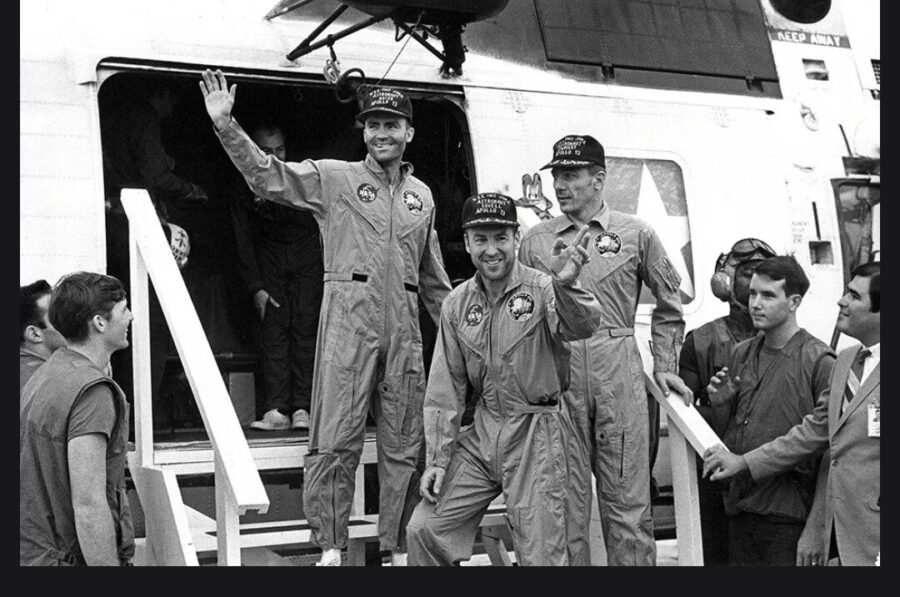
On Veterans Day, we honor those who served our nation in uniform. Some veterans traveled across oceans, others across continents. Astronaut Fred Haise, has traveled farther from Earth than anyone until this year.
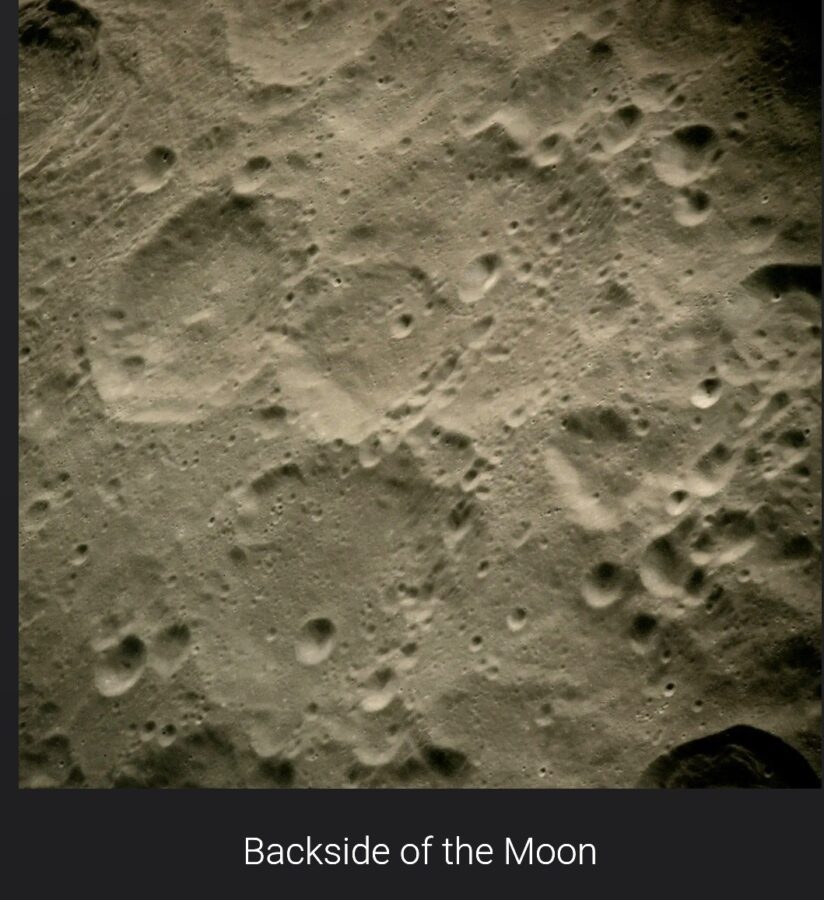
As the lunar module pilot aboard Apollo 13, he went around the back side of the Moon during one of NASA’s most dramatic missions and became part of a story that continues to inspire generations.
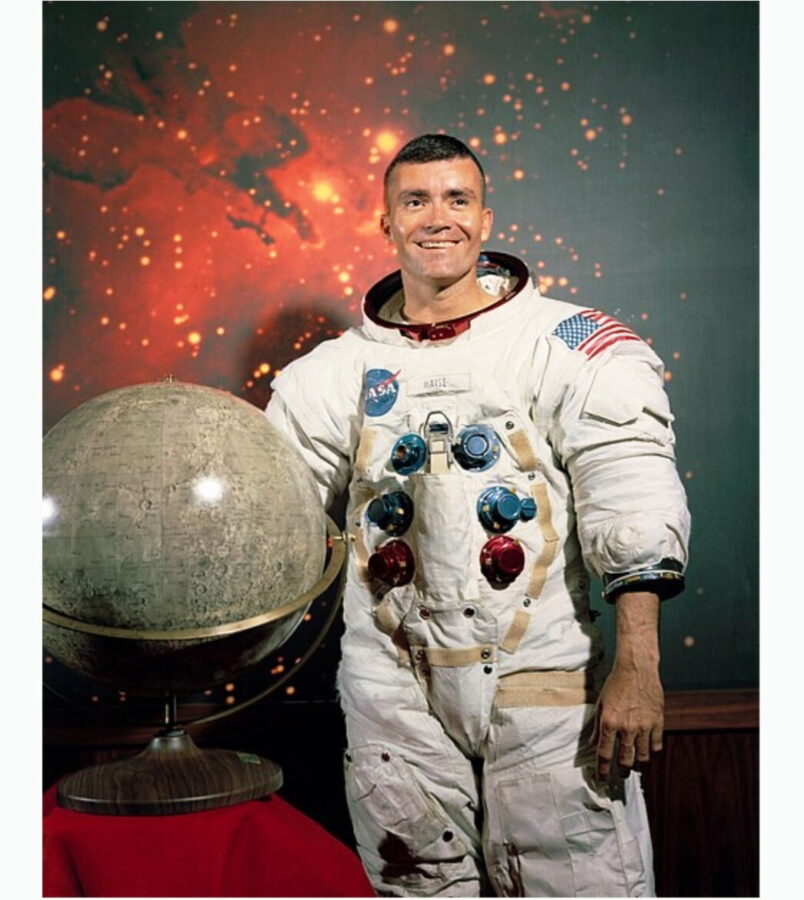
Recently, I had the extraordinary honor of interviewing Fred Haise, the last surviving crew member of Apollo 13, for a Veterans Day podcast episode. As a travel journalist, I’ve spoken with people who have crossed countries, oceans, and cultures, but this conversation was different.
Haise took what may be the ultimate travel adventure: a journey beyond Earth itself.
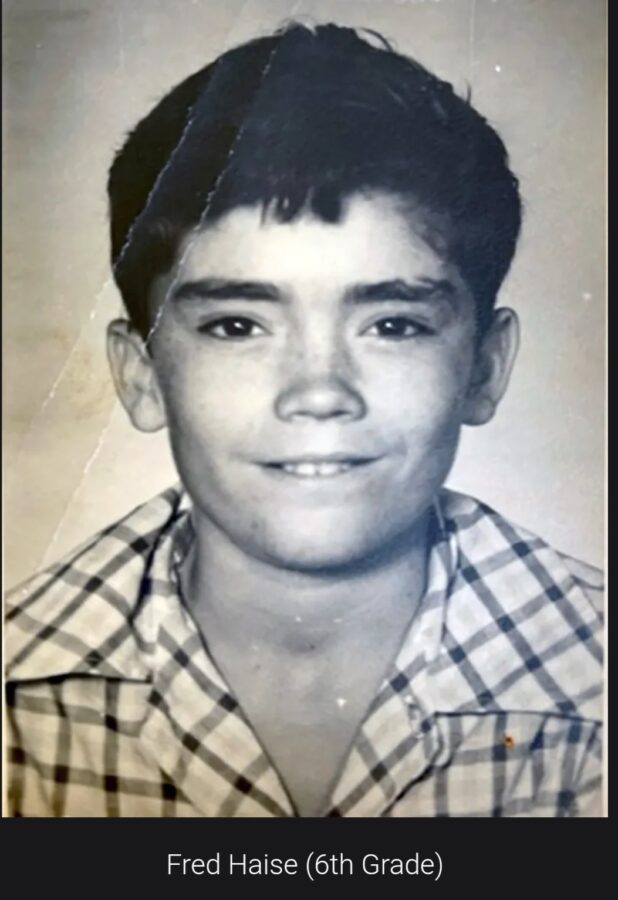
A fellow Mississippian, Haise was born and raised in Biloxi, Mississippi, in 1933, and is a graduate of the University of Oklahoma. His path to the stars began through military service. He entered the Naval Aviation Cadet Program, earned his wings as a naval aviator, and served as a fighter pilot in the U.S. Marine Corps. He later continued flying with Air National Guard units and served as a tactical fighter pilot during the Cold War era before pursuing a career with NASA.
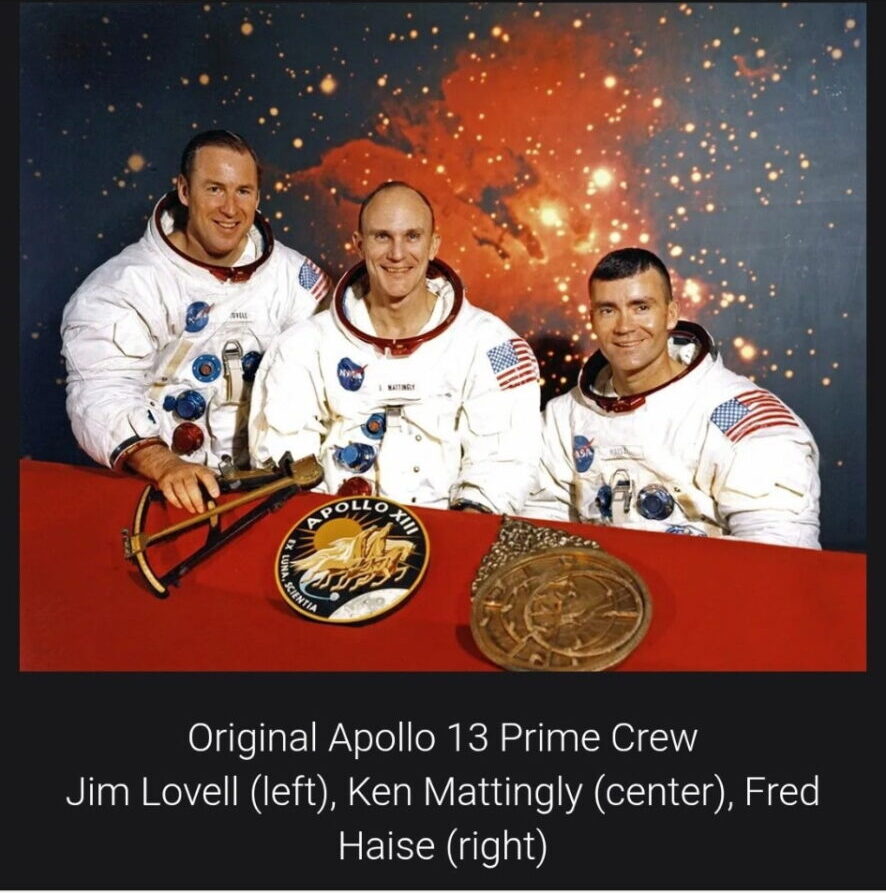
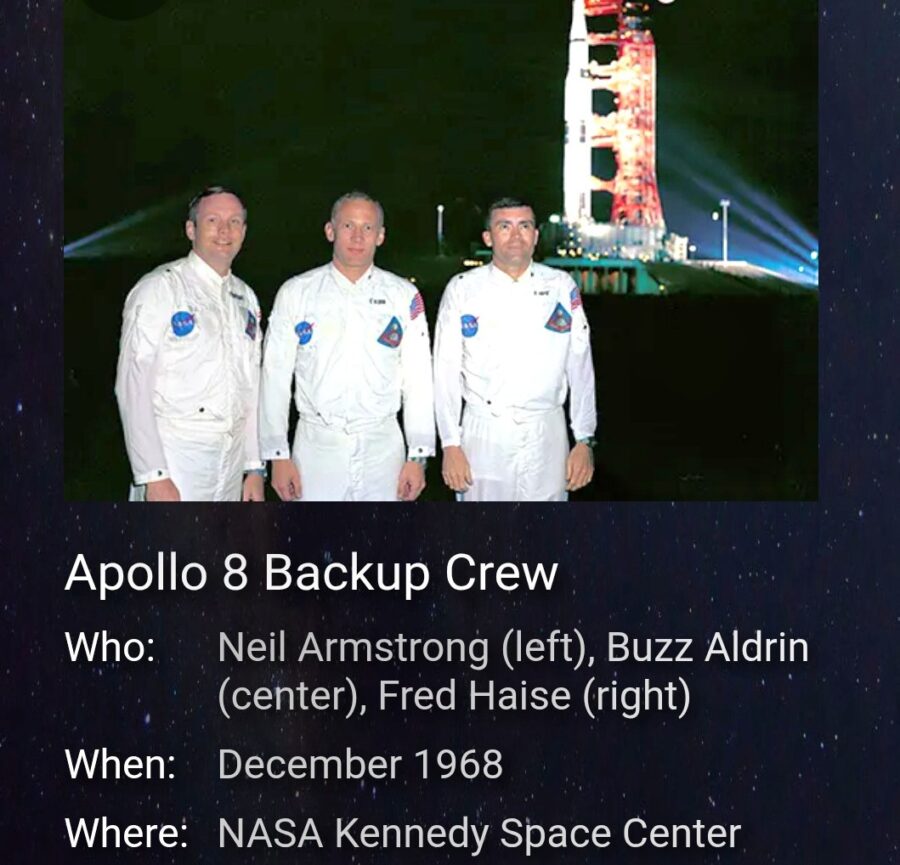
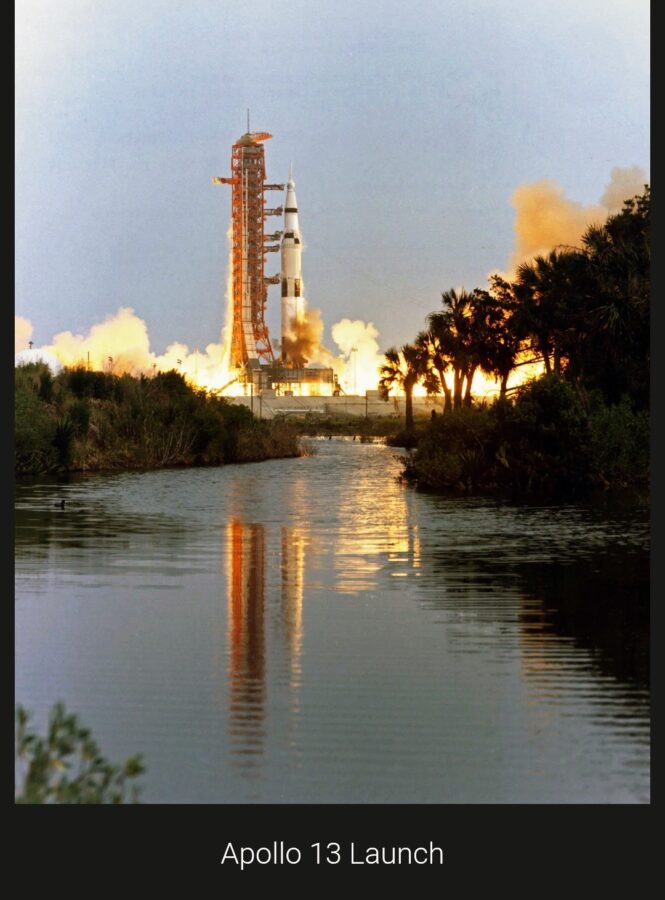
In 1966, NASA selected Haise as an astronaut. He served on backup crews for several Apollo missions before receiving his historic assignment on Apollo 13. The mission launched on April 11, 1970, carrying astronauts James Lovell, Jack Swigert, and Fred Haise toward what was intended to be the third lunar landing.
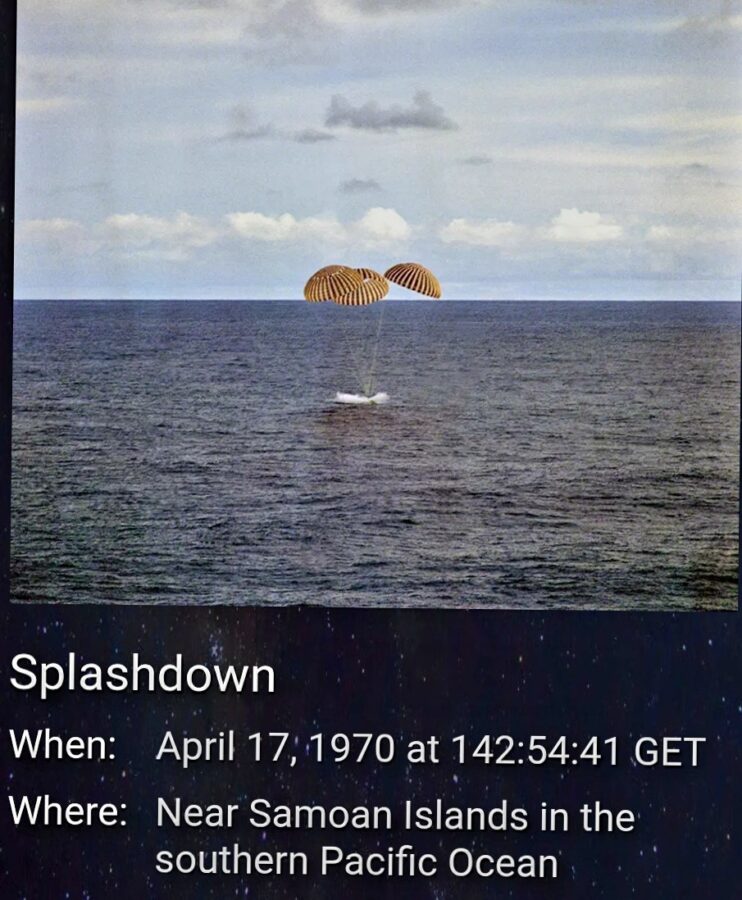
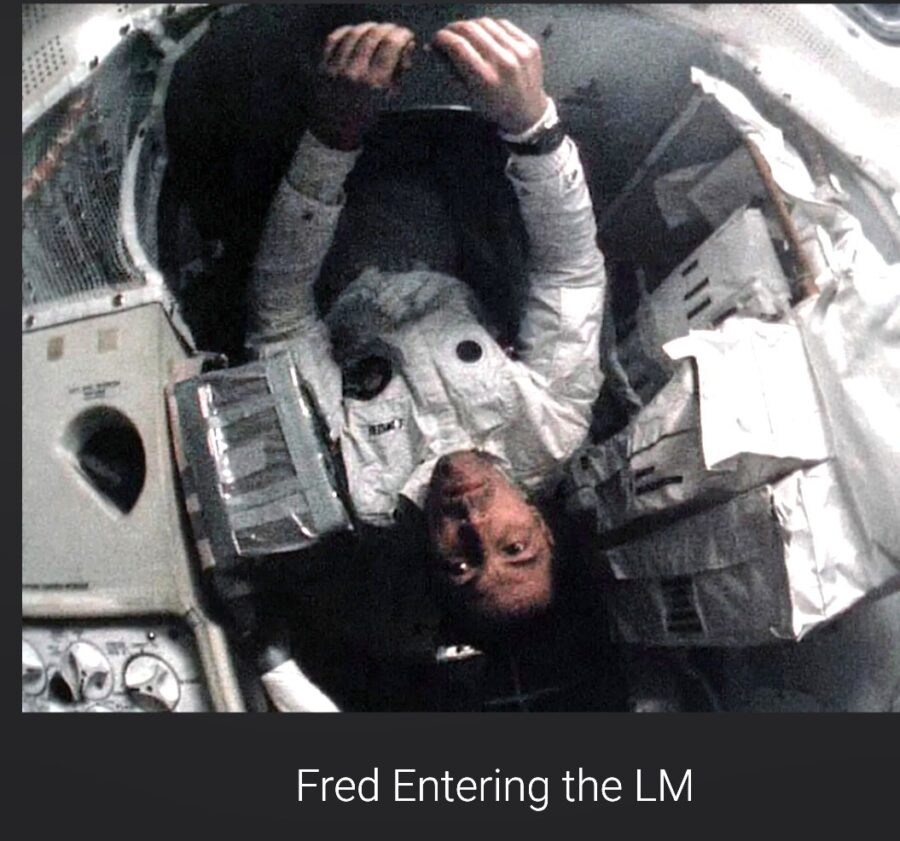
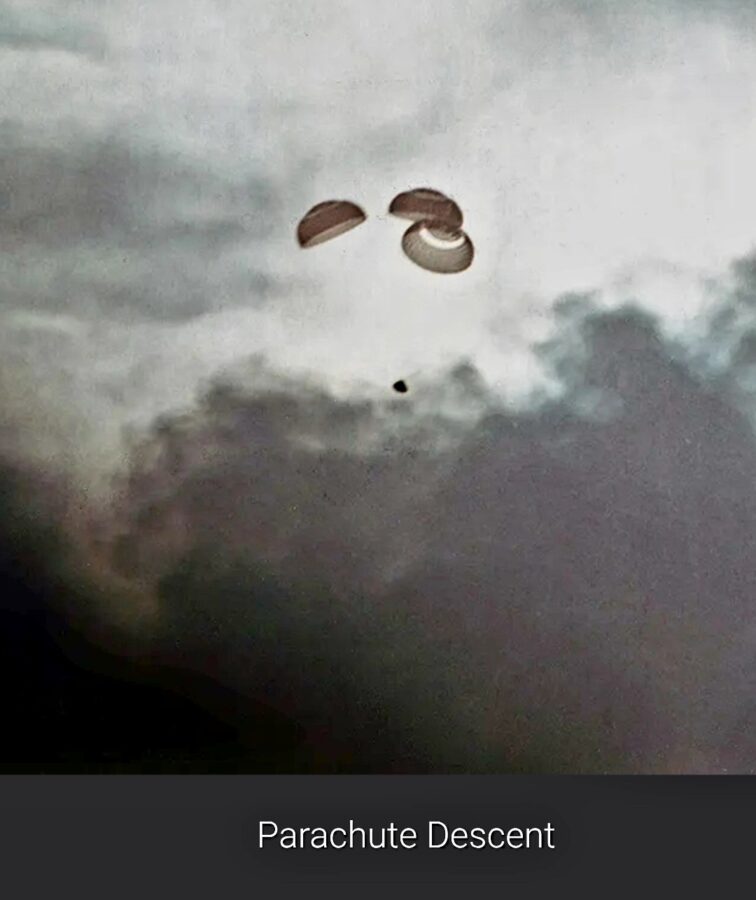
Instead, an oxygen tank explosion transformed the mission into a fight for survival. The planned moon landing was aborted, and the crew used their lunar module, Aquarius, as a lifeboat. Millions around the globe, including my family, watched anxiously as NASA engineers and astronauts worked together to bring the crew safely home. After nearly six days in space, and overcoming countless obstacles, Apollo 13 splashed down safely in the Pacific Ocean, turning a potential tragedy into a worldwide celebration of relief and joy!
Listening to Haise describe those events decades later, I was struck not by drama or heroics, but by his calm professionalism. That quality seems rooted in the military training that shaped him long before he became an astronaut. Veterans understand preparation, discipline, teamwork, and the ability to remain focused when circumstances suddenly change. Apollo 13 demanded all of those qualities.
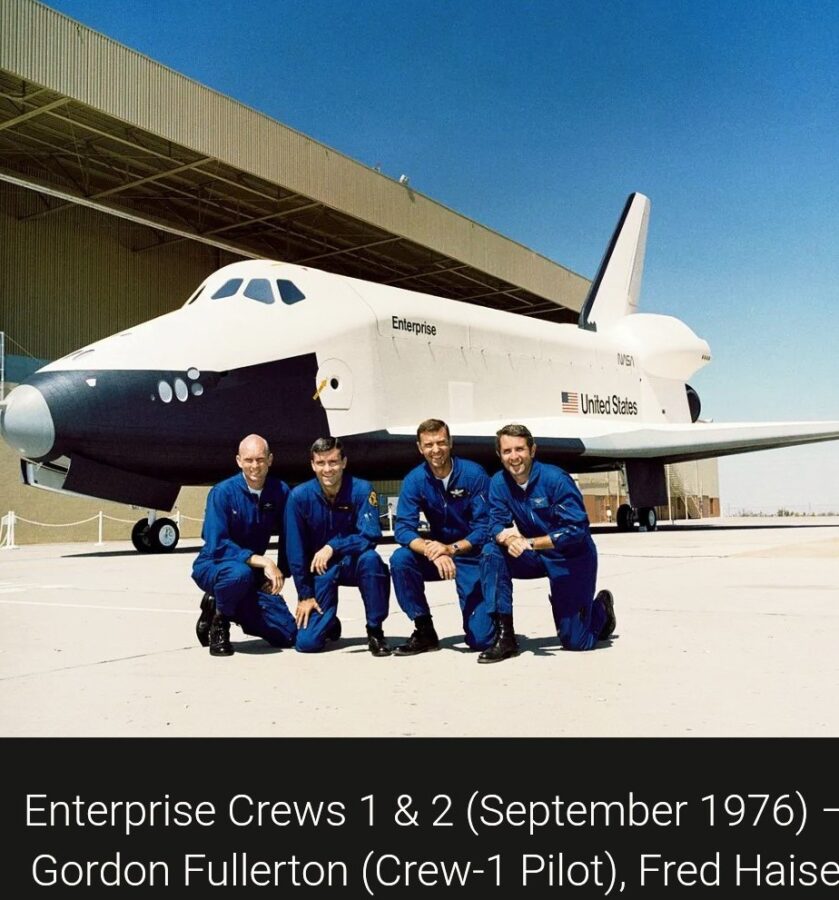
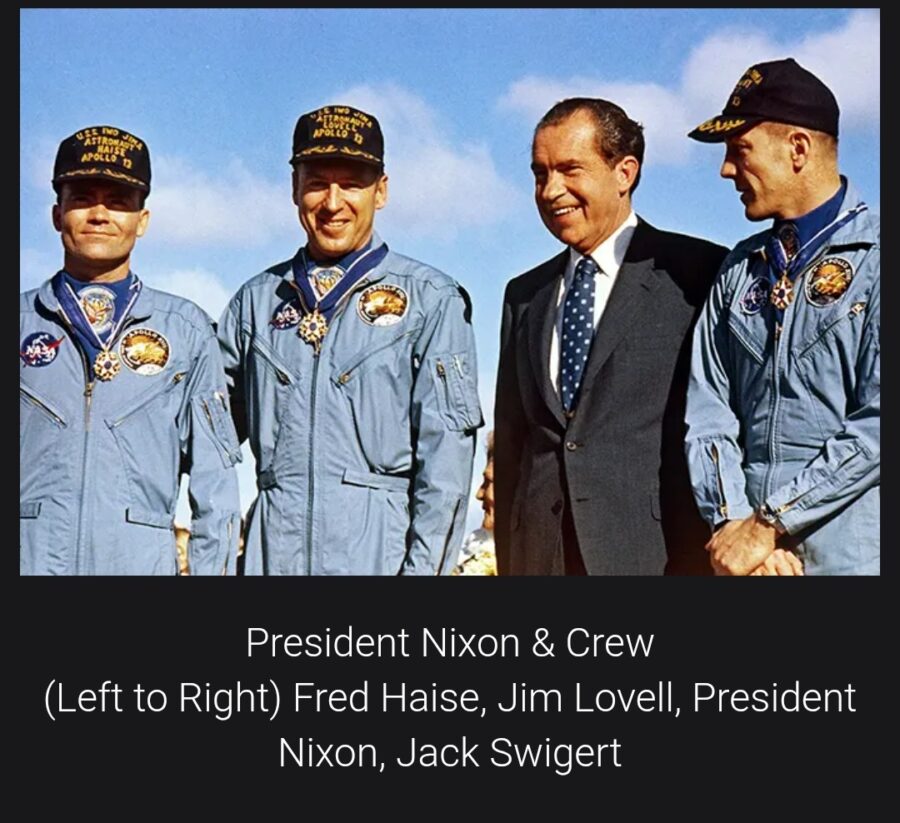
Although Haise never got the opportunity to walk on the moon, he remains one of only a select group of Apollo astronauts who traveled there. He later helped advance the nation’s space shuttle program, commanding approach and landing tests of the shuttle Enterprise prototype in 1977 before retiring from NASA in 1979. His achievements earned numerous honors, including the Presidential Medal of Freedom, awarded to the Apollo 13 crew for their courage and determination during their historic mission.
The story of Fred Haise is also preserved for future generations at the EAA Aviation Museum in Oshkosh, Wisconsin, one of America’s premier aviation museums. The museum celebrates the pioneers of flight and space exploration whose courage and innovation pushed the boundaries of what was possible. Visitors can explore exhibits that connect the evolution of aviation with humanity’s journey beyond Earth’s atmosphere, helping tell the story of trailblazers like Haise and his fellow astronauts who turned science fiction into reality.

For aviation enthusiasts, veterans, and dreamers alike, the EAA Museum serves as a reminder that every great leap forward begins with individuals willing to accept risk in service to something larger than themselves. Walking through the museum’s galleries, visitors gain a deeper appreciation for the military pilots, engineers, and astronauts whose dedication advanced both national security and scientific discovery. In many ways, Haise’s remarkable career embodies that connection between military service, aviation excellence, and exploration. Every Veterans Day, the EAA Aviation Museum has free admission for veterans and active duty military to honor those who have served in the U.S. armed forces.
As I reflected on my conversation with Haise, I realized that his story embodies the spirit of Veterans Day. His journey began with service to his country, continued through groundbreaking contributions to aviation and space exploration, and ultimately inspired people around the world. Fred Haise is a veteran who can say he helped save a spacecraft hundreds of thousands of miles from Earth and changed history while doing it.
For most travelers, the horizon marks the limit of the journey. For Fred Haise, the horizon was only the beginning. In his book, Never Panic Early: An Apollo 13 Astronaut’s Journey, astronaut Haise shares his inspiring and spectacular life story that only he can tell. In this gripping memoir, he gives a firsthand account of his incredible experiences and impressive career. It reminds us that service, resilience, and dedication to a mission are qualities that unite veterans across generations.
As I concluded my conversation with this space pioneer, I was reminded that behind every great achievement is a foundation of service. Long before he became an astronaut, Fred Haise was a young military pilot learning the values that would later sustain him during one of the most perilous missions in spaceflight history. The calm resolve that helped save Apollo 13 was forged through years of military training, discipline, and commitment to country.
On Veterans Day, we honor all who have worn the uniform, whether their service carried them across battlefields, oceans, skies, or, in Haise’s case, nearly a quarter-million miles from Earth. Their stories remind us that courage comes in many forms. Sometimes it is found in distant lands; sometimes it’s found in the cockpit of a fighter aircraft; and sometimes it’s found in a spacecraft orbiting the moon as a crew fights its way home against impossible odds.
Fred Haise’s journey may have been out of this world, but the values that defined it were unmistakably American: duty, perseverance, teamwork, and service before self.
This Veterans Day, as we thank those who answered the call to serve, we can look to Haise as a powerful example of where that commitment can lead. His voyage was extraordinary, but the spirit that carried him there is shared by USA Veterans everywhere.
A special thanks to my podcast co-host and Veteran, Ron Guthrie, former USAF F-15 Pilot.

To check out more stories from Travel with Terri on The Cross Timbers Gazette, click here.
Learn more about Travel with Terri and her adventures on her website.
More information on Fred Haise is available on his website.