



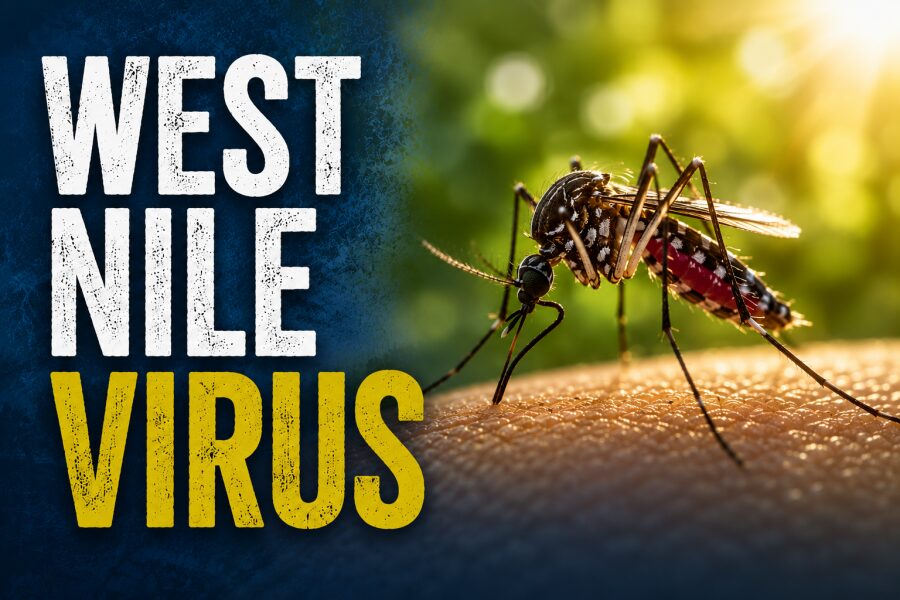
Denton County has confirmed the county’s second human case of West Nile virus this year.
A resident of The Colony was diagnosed with West Nile Virus Neuroinvasive Disease, DCPH announced Thursday evening.
“West Nile Virus is most commonly spread through the bite of an infected mosquito,” said Juan Rodriguez, DCPH assistant director and chief epidemiologist. “There are currently no vaccines or medicines to prevent West Nile Virus in people.”
To protect the patient’s privacy, DCPH said no additional personal information will be released.
DCPH advises residents to take the following steps to minimize risk of contracting WNV:
- Drain standing water in your yard and neighborhood to minimize mosquito breeding sites such as bird baths, flowerpots and clogged rain gutters. Consider the use of BTI briquettes, often called mosquito dunks, in standing water that cannot be eliminated.
- Dress in long sleeves and pants when you are outside and spray thin clothing with repellent.
- Defend yourself by using EPA-registered repellent. Check for ingredients like DEET, Picaridin or Oil of Lemon Eucalyptus.
“We encourage all community members to practice prevention to reduce their risk,” said Rodriguez.
According to DCPH, the first confirmed human case of West Nile Virus was a Denton resident in early July.
Plenty of mosquito traps have tested positive for West Nile Virus samples this year, and another two were pinged in Lewisville on Monday. The two make for the third and fourth positive samples in the city this year.
Other positive traps were found near Argyle, in Flower Mound, Lewisville and the Harvest community.
Residents can find additional information about West Nile virus, including mosquito surveillance maps, the latest updates and prevention tips, by visiting Denton County’s West Nile virus webpage at DentonCounty.gov/WNV.