


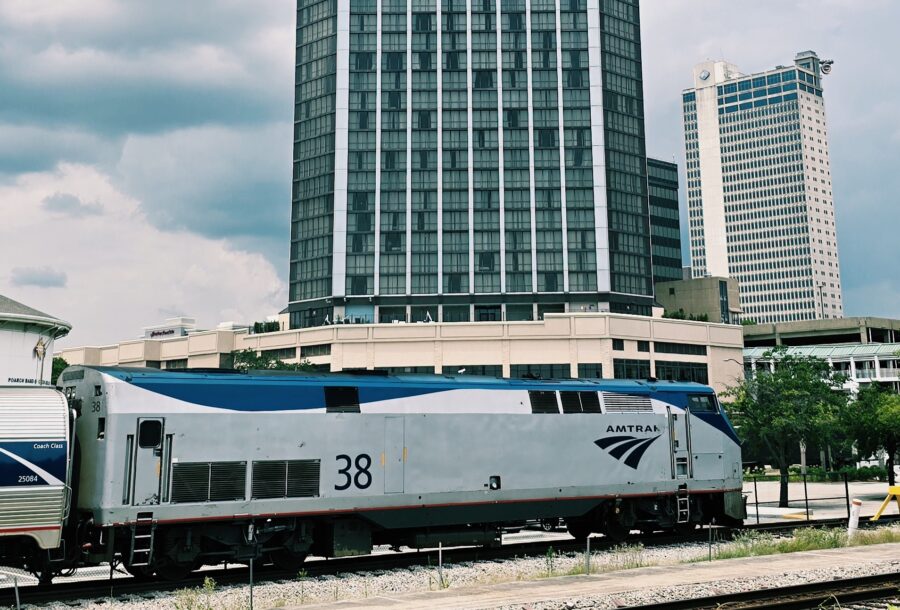
I boarded Amtrak’s Mardi Gras Service with the same curiosity that fuels most of my travel writing—equal parts anticipation, nostalgia and a desire to understand how a place reveals itself when you slow down enough to notice.
The Gulf Coast has always been a region defined by resilience and celebration, and this new rail line captures both. As the train eased out of New Orleans, the windows framed marshland, harbors and stretches of white‑sand beaches, each scene unfolding at a pace that reminded me why rail travel still matters.
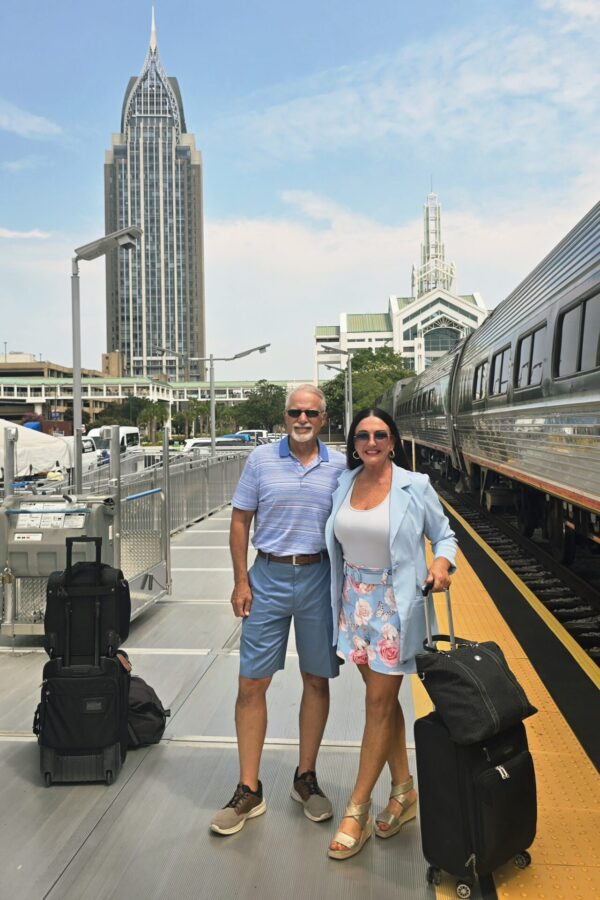
The Mardi Gras Service is Amtrak’s newest route, launched on Aug. 18, 2025, restoring passenger rail to the Gulf Coast for the first time in nearly 20 years. The full Mardi Gras Service route takes about 3 hours and 43 minutes from end to end, running between New Orleans, Louisiana and Mobile, Alabama. That timing reflects the complete journey with quick stops in Bay St. Louis, Gulfport, Biloxi and Pascagoula along the Mississippi Gulf Coast.
The service operates twice daily, giving travelers flexible morning and afternoon options in both directions. That frequency is one of the reasons ridership has surged—over 150,000 customer trips in the first year is a remarkable milestone for a brand‑new Amtrak route.
Amtrak Executive Vice President Jennifer Mitchell said the route has “exceeded every expectation for ridership and revenue,” noting that it ranks among the highest in customer satisfaction across the entire network—credit she gives to the train crews, maintenance teams, and strong regional partnerships. The service is sponsored by the Louisiana and Mississippi transportation departments and the City of Mobile, with marketing support from Visit Mobile, New Orleans & Co. and Coastal Mississippi.
Being born and raised in this area, the appeal was personal. I wanted to experience the Gulf Coast the way travelers once did—by rail, with time to watch the coastline roll by. And I wanted to see how this new route was reshaping travel between three destinations I know well: New Orleans, Bay St. Louis and Mobile.
New Orleans: Where the Journey Begins
New Orleans remains one of America’s most compelling departure points—its blend of history, iconic music, and exceptional food setting the tone for any adventure. Before boarding, I wandered the Garden District’s shaded streets and listened to jazz drifting from open French Quarter doorways. The city’s energy makes the train’s gentle departure feel like an exhale.
Bay St. Louis: Coastal Charm in Slow Motion
Bay St. Louis is the kind of stop that rewards curiosity. The quaint town is walkable, artsy, and laid-back, with boutiques, cafés, and beaches that feel tailor‑made for travelers who want to relax and recharge. It’s a place where you can step off the train and immediately feel the Gulf breeze, then spend the afternoon exploring local galleries or lingering over fresh seafood with a view.
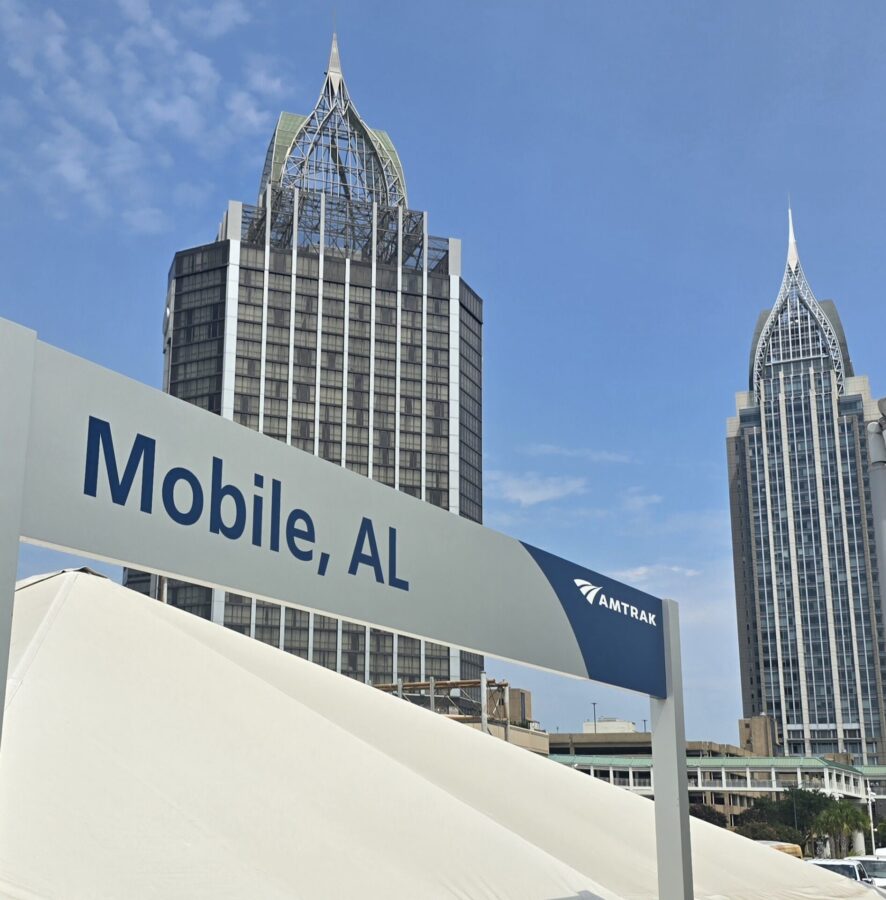
Mobile: A Gulf Coast City with Deep Roots
Mobile surprised me with its elegance and history. Once called the “Paris of the South,” the city blends architecture, culture, and coastal comfort. Its museums, seafood restaurants, and waterfront make it an ideal final stop—especially knowing that both Mobile and New Orleans share such deep Mardi Gras traditions.
A Route Built on Partnership and Purpose
The Mardi Gras Service isn’t just a train—it’s a regional collaboration. Louisiana, Mississippi, and the City of Mobile worked with the Southern Rail Commission to bring passenger rail back to the Gulf Coast, supported by tourism agencies that understood the economic and cultural value of reconnecting these communities.
During my recent podcast conversation with Knox Ross, the chairman of the Southern Rail Commission, we talked about what this route means for the region. Knox explained how restoring Gulf Coast rail was a decades-long effort, one that required persistence, community advocacy, and a belief that travelers would return once the tracks did. The first‑year ridership exceeded expectations and the numbers proved they were right!
A Personal Reflection
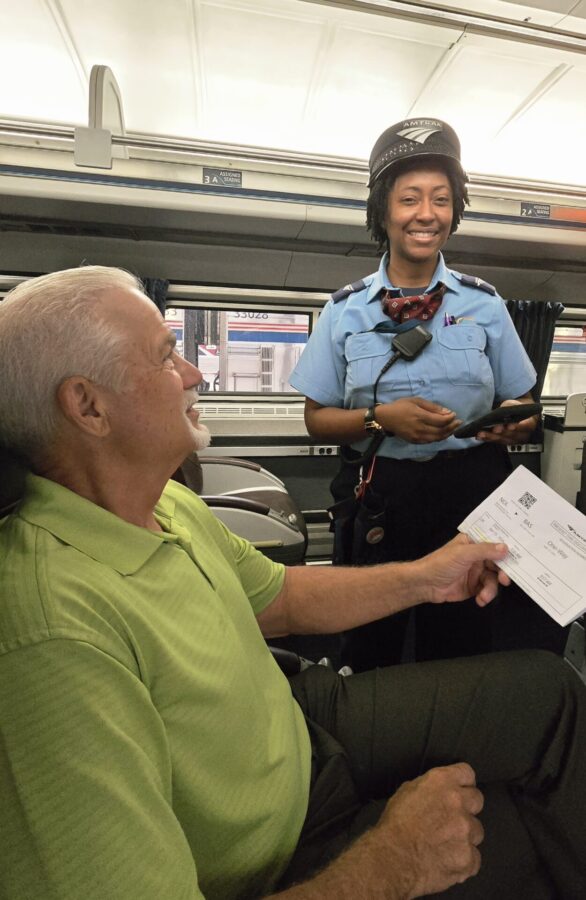
What struck me most during the trip wasn’t just the scenery—it was the sense of connection. Rail travel invites conversation, observation, and a slower rhythm that feels increasingly rare. Watching the coastline pass by, I understood why this service has resonated with travelers. It’s not simply transportation; it’s an experience that celebrates the Gulf Coast’s culture, history, and hospitality.
As the Mardi Gras Train marks its first anniversary, it’s clear the route has become more than a line on a map. It’s a bridge between communities—and for travelers like me, a reminder that sometimes the best way to rediscover a region is to let the rails guide you.
Why It’s Called the Mardi Gras Train
- A Three‑State Mardi Gras Story: The route links New Orleans, the global icon of Mardi Gras; Mobile, home to America’s oldest Mardi Gras; and the Mississippi Gulf Coast, where their coastal communities celebrate the season with parades, krewes, and coastal flair.
- A Joyful Return to the Coast: Passenger rail hadn’t served the Gulf Coast in nearly 20 years. Naming the new service “Mardi Gras” marked its festive comeback—an arrival worthy of celebration across Louisiana, Mississippi, and Alabama.
- A Shared Coastal Tradition: Mardi Gras is the most recognizable cultural thread running through the entire route. The name gives the train a fun, local personality that resonates with travelers.
- A Shared Story: The name honors the traditions, history, and cultural connection between the cities it serves—making the train feel like part of the Gulf Coast’s ongoing celebration.
- Tourism Power: With strong support from Visit Mobile, New Orleans & Co., and Coastal Mississippi, the Mardi Gras branding helps spotlight the region’s culture and attract visitors year‑round.
Mardi Gras Train: Quick Highlights
- Route & Timing: Twice‑daily Amtrak service between New Orleans and Mobile, covering the full route in about 3 hours and 43 minutes.
- First‑Year Milestone: 150,000 customer trips in the first year, including 100,000+ riders in 2026—making it one of Amtrak’s strongest new‑route launches.
- High Satisfaction Scores: Consistently ranks among the top Amtrak routes for customer satisfaction, credited to strong on‑board service and maintenance teams.
- Regional Partnerships: Sponsored by Louisiana DOT, Mississippi DOT, and the City of Mobile, with marketing support from Visit Mobile, New Orleans & Co., and Coastal Mississippi.
- Key Stops Along the Gulf Coast:
- New Orleans: Historic, energetic departure point with deep cultural roots.
- Bay St. Louis: Walkable, artsy coastal town with galleries, cafés, and beach views.
- Mobile: Elegant Gulf Coast city known for architecture, museums, and America’s original Mardi Gras tradition.
- Economic & Tourism Impact: The route reconnects communities long without passenger rail, boosting regional tourism and local businesses.
- Podcast Insight: In conversation with Knox Ross, Southern Rail Commission chairman, you explored the decades‑long effort to restore Gulf Coast passenger rail—and why the Mardi Gras Service’s success validates that vision.
Book now at Amtrak.com/MardiGras, by using Amtrak mobile apps, the New Orleans ticket counter or by calling 800-USA-RAIL.