



A parasite outbreak is being investigated by the CDC, and Denton County is already reporting a pair of its residents have been infected.
Denton County Public Health confirmed it has received two laboratory reports of cyclosporiasis this season, according to a report from WFAA.
The Center for Disease Control describes cyclosporiasis as “an intestinal illness caused by a parasite” – Cyclospora.
When infected, the illness can cause symptoms like watery diarrhea with frequent and sometimes explosive bowel movements.
Other symptoms include loss of appetite, weight loss, cramping, bloating, increased gas, nausea and fatigue.
The CDC warns if left untreated, symptoms could last for more than a month, go away and return at a later time.
Cyclosporiasis is often spread when people eat food or drink water that was contaminated with feces.
According to the CDC, it takes about 1-2 weeks outside the body for the parasite Cyclospora to become infectious after passing a bowel movement, which makes direct person-to-person transmission unlikely.
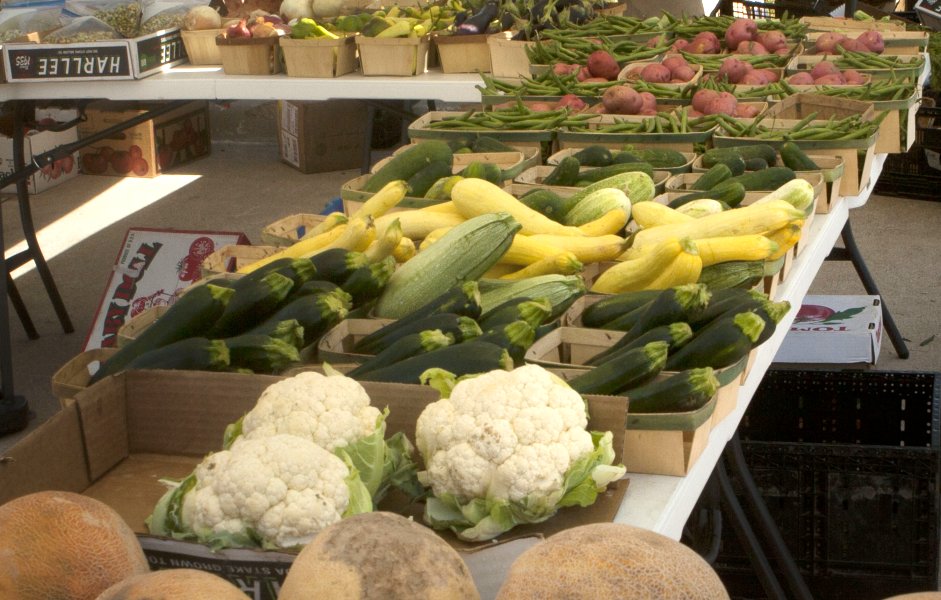
The parasite is often found in tropical or subtropical regions of the world, but has shown up in the United States through various types of fresh produce, including basil, cilantro, raspberries and snow peas.
According to DCPH, its epidemiologists presented information on cyclosporiasis during the April Communicable Disease Response Team meeting to help prepare healthcare partners for possible surges in cases, which often occur during the summer.
DCPH said the impact in Denton County remains limited, and the organization has not issued a public health advisory because the source of the reported infections remains unknown.
The lack of knowledge of the source has limited the ability of DCPH to provide targeted prevention recommendations, however the CDC provides a fairly obvious way to prevent infection.
“Based on currently available information, the best way to prevent cyclosporiasis is to avoid food or water that may be contaminated with feces,” reads the CDC website. “If you are traveling to cyclosporiasis-endemic areas (such as tropical and subtropical regions), it’s important to know that routine chemical disinfection or sanitization of food or water is unlikely to kill Cyclospora.”
The CDC also recommends washing hands with soap and water before and after handing or preparing raw fruits and vegetables, as well as washing all fruits and vegetables thoroughly under running water before eating, cutting or cooking.
For more information on cyclosporiasis, visit the CDC’s cyclosporiasis webpage.