



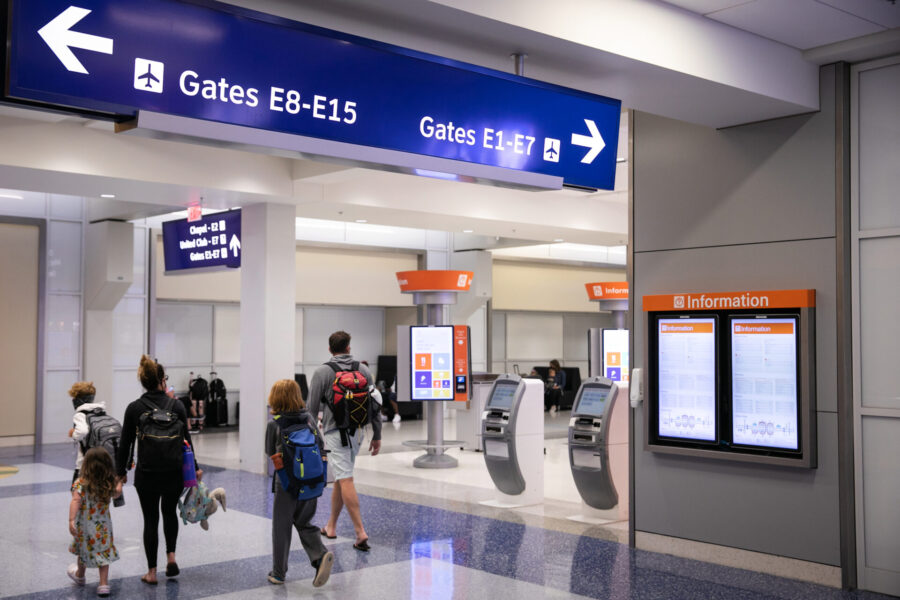
As southern Denton County residents hit the roads or the airports for their summer vacations, the Better Business Bureau warns of some popular scams.
The bureau said vacation rental scams, false front desk calls and online purchase scams are some of the scams it has seen an uptick in reports of.
“June is a month focused on trust,” said the BBB in a press release. “Whether you’re booking a vacation rental, staying safe while traveling protecting an older loved one from scams or choosing a business to do business with, trust plays a critical role in every situation.”
According to the bureau, fraudsters often create fake listings using stolen photos and unrealistically low prices to attract travelers. Scammers may claim to be out of town, communicate only through text messages and demand upfront deposits through wire transfers, cash apps or gift cards.
Before booking a rental, BBB recommends:
- Do a Street View Double-Check: Use online maps to verify the property exists and matches the listing photos.
- Keep It Official: Never move conversations or payments off trusted platforms such as Airbnb or VRBO. Booking outside the platform often eliminates fraud protections.
- Protect Your Payment: Always get a written agreement and pay with a credit card whenever possible. Avoid wire transfers, gift cards, or other non-refundable payment methods.
The BBB also said scammers frequently target travelers who may be tired, distracted or unfamiliar with their surroundings.
One scam includes a fake hotel front desk clerk calling shortly after check-in claiming there is a problem with the credit card on file. They’ll ask to verify the card on file, but the BBB advises travelers to hang up and contact the front desk.
Additional travel safety tips include:
Be cautious when using hotel Wi-Fi and avoid accessing financial accounts on public networks.
- Ignore unsolicited food delivery menus slipped under hotel room doors.
- Notify your bank before traveling.
- Protect devices with passwords and tracking features.
- Avoid posting vacation details on social media until after returning home.
- Inspect gas pumps and ATMs for signs of card-skimming devices.
Monday was World Elder Abuse Day, which the BBB said should remind people to be aware of scammers attempting to take advantage of seniors.
According to BBB Scam Tracker, some of the riskiest scams affecting older adults include:
Investment and cryptocurrency scams
- Online purchase scams
- Romance scams
- Home improvement scams
Consumers can reduce their risk by:
- Being cautious of unexpected calls, emails, and text messages.
- Remembering that legitimate organizations will not demand immediate action or payment through gift cards, wire transfers, or prepaid debit cards.
- Researching businesses and charities before making purchases or investments.
- Never sharing personal or financial information with unknown individuals.
- Seeking a second opinion from a trusted friend or family member when something seems suspicious.
For more information, visit the BBB’s website.