



By Jill O’Connell, Master Gardener
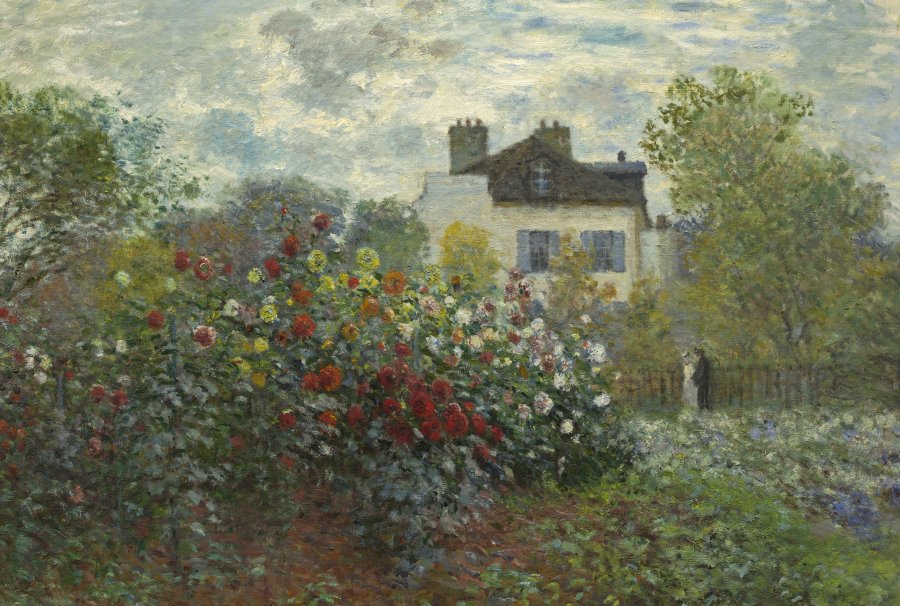
A garden is an ever-changing work of art. The change of seasons brings new colors and palettes to our most familiar surroundings. Artist Claude Monet, often called the father of Impressionism, once said, “My garden is my most beautiful masterpiece.”
The garden he referred to was at his home in Giverny, France. Monet was a lifelong gardener who designed and curated the plantings and features that later inspired many of his famous works, including “The Artist’s Garden at Giverny”, “Water Lilies” and “The Water Lily Pond.”
In Texas, gardens are a blend of art and science.
Good soil is the foundation of any successful garden, and understanding your soil is key. Many North Texas landscapes benefit from adding organic matter to improve drainage. Important soil conditions include texture, drainage and the balance between acidity and alkalinity.
A soil test is a wise first step for any gardener. Texas A&M AgriLife Extension offers research-based resources and testing information at soiltesting.tamu.edu. Testing helps determine what amendments, if any, are needed before planting begins.
Our gardens are living compositions shaped by climate, soil and personal design choices. Design is what brings art and gardening together. Structure includes pathways, beds, focal points and other hardscape elements. When combined with practical needs such as shade and microclimates, these elements create each gardener’s unique style.
Water is another essential component of North Texas gardens and a cornerstone of good design. Efficient water use includes incorporating native and drought-tolerant plants, drip irrigation systems and hydro-zoning, which groups plants with similar water needs. Mulching and rainwater harvesting can also support a water-wise approach.
A microclimate is a small, localized area within a garden that differs in light, wind, shade or soil conditions. Understanding these variations helps gardeners make better planting decisions and maximize success.
Finally, remember that a garden is never truly finished. It evolves over time, reflecting both the gardener’s vision and the rhythms of nature. By combining thoughtful design with regionally appropriate practices, Texas gardeners can create landscapes that are both beautiful and enduring.
In the end, like Monet, we are all artists in our gardens — working with color, light, soil and plants to create something uniquely our own.
Happy Gardening!