



Just when many Denton County residents expect a break from allergy season, a familiar winter villain is blowing back into town.
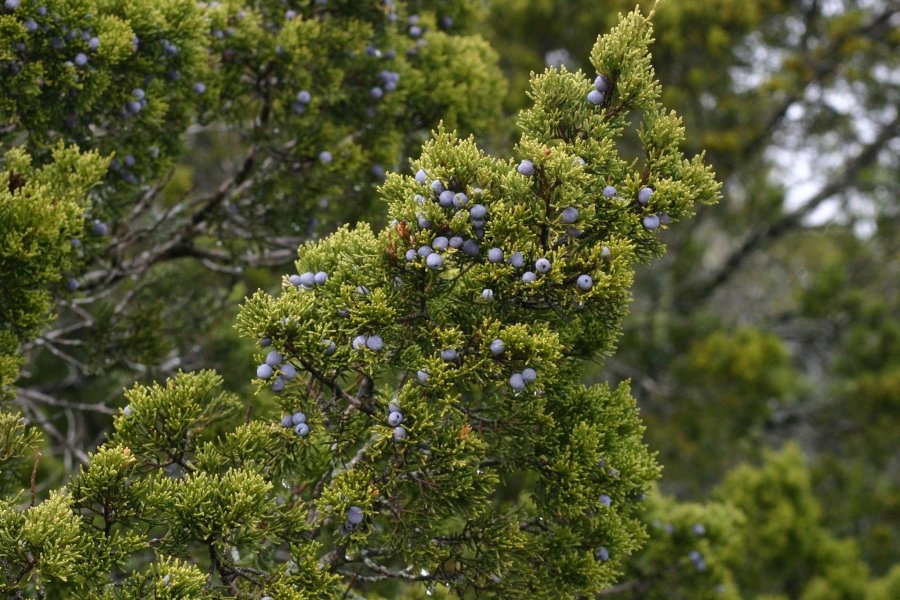
Mountain cedar — also known as Ashe juniper — is one of the state’s most powerful allergy triggers, responsible for the winter misery known as “cedar fever.” The trees cover an estimated 8.6 million acres in Texas, mainly in the Hill Country, and a single tree can release billions of pollen grains. Winds from the southwest then carry that pollen across large portions of the state.
Unlike most trees, which pollinate in spring, mountain cedar releases pollen in winter, typically from mid-December through February, with peak levels often arriving in mid-January.
Up to 20% of Texans experience cedar allergies, according to medical experts, helping explain why Texas cities frequently rank high on national allergy lists. During peak days, pollen counts can reach extreme levels, triggering symptoms even in people who don’t usually suffer from allergies.
Cedar fever symptoms often resemble a cold or the flu and can include sneezing, congestion, itchy or watery eyes, sinus pressure, headaches, sore throat, fatigue and coughing. Some people experience a mild rise in body temperature caused by inflammation, though true fevers and body aches are uncommon.
Doctors say genetics play a major role in who develops cedar fever, but environment matters, too. Many newcomers to Texas report developing symptoms after moving into high-pollen areas.
Health professionals recommend limiting outdoor activity when pollen counts are high, keeping windows closed, using HEPA air filters, showering after being outdoors and washing clothes and bedding frequently. Over-the-counter antihistamines, nasal sprays, eye drops and saline rinses can help control symptoms. For persistent or severe cases, prescription medications or allergy immunotherapy may be recommended.
Experts caution that allergy shots take months to become fully effective, meaning spring or summer is the ideal time to begin long-term treatment for next winter.
For now, cedar season is a reminder that in Texas, winter doesn’t always bring relief — sometimes it brings pollen.