



By Jill O’Connell, Master Gardener
Summer gardening in Denton County has its challenges. High temperatures, alkaline and clay soils, winter ice storms and short springs can make gardening in North Texas seem difficult. But now is the perfect time to start planning a fall garden.
One advantage North Texas gardeners enjoy is a long growing season, giving us a second opportunity to grow vegetables and flowers.
The growing season typically lasts between 227 and 235 days, measured from the average last spring frost to the average first fall frost. That allows gardeners to enjoy both a spring and a fall planting season.
Vegetables can be planted from transplants or seeds. When planting seeds in late summer, timing is especially important. Gardeners should check the seed packet for germination time and days to maturity, then count backward from the average first frost date. Don’t forget to add about 14 days for what’s known as the “fall factor” — shorter days and cooler temperatures slow plant growth.
Take carrots, for example. Carrot seeds typically germinate in 12 to 18 days and mature in 70 to 80 days. Adding the 14-day fall factor means planting should occur about 96 to 112 days before the first frost. Assuming a Nov. 15 frost date, the ideal planting window is roughly July 26 through Aug. 11 — making now the perfect time to sow carrot seeds!
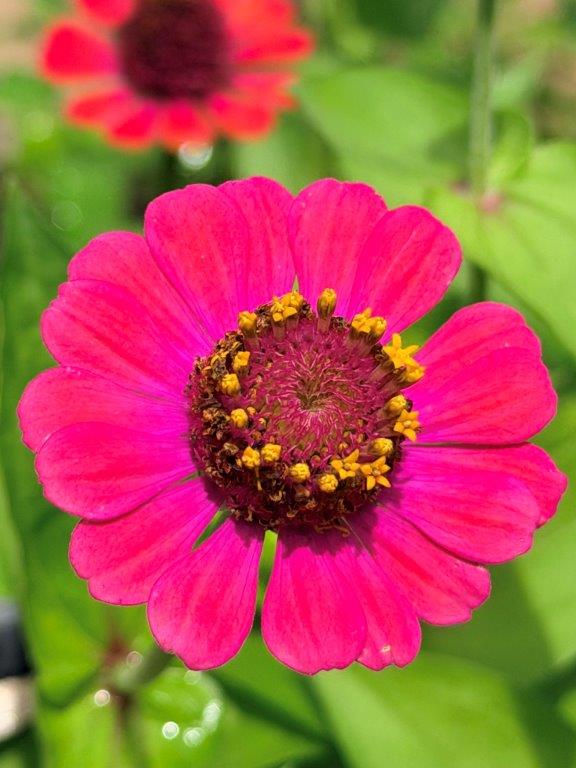 Many flowers also thrive in late-summer heat and continue blooming until the first hard frost. Zinnias, marigolds and echinacea, commonly known as coneflowers, can all be planted now from seed or transplants.
One important tip: Seeds need consistent moisture to germinate. Once watered, don’t allow them to dry out. During North Texas summers, placing a wooden board over the seeded area can help retain moisture. Check the soil each morning and evening, and remove the board as soon as the first green shoots emerge.
Happy Gardening!