



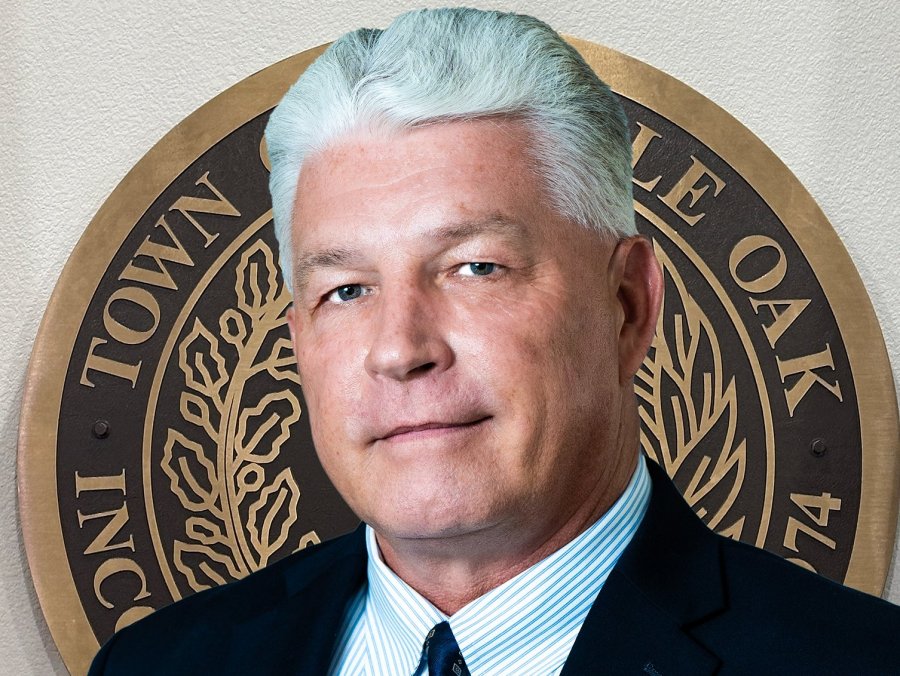
As Double Oak begins another budget season, I’ve been reflecting on conversations I have had with mayors, council members, town administrators and residents from across Texas. While every community is different, many of us are facing the same challenge: the growing gap between the cost of providing services and the revenue available to pay for them.
The reality is that small towns are facing a growing budget squeeze.
For years, many local governments benefited from a strong economy, rising property values and steady revenue growth. While that did not solve every problem, it helped communities keep pace with the rising costs of providing services to residents.
Today, the environment is changing.
The cost of running a town continues to increase, while the ability to generate additional revenue becomes more difficult each year. Healthcare costs continue to rise. Insurance premiums continue to rise. Professional services, technology, equipment, fuel, utilities, road maintenance and virtually every contract a town relies upon costs more today than it did just a few years ago.
At the same time, towns are competing with both the private sector and larger cities to attract and retain talented employees. Whether it is police officers, administrative staff, public works personnel or other professionals, communities must regularly evaluate compensation and merit increases if they hope to keep experienced employees serving their residents.
Most citizens understandably see the services their town provides. What they often do not see are the rising costs behind those services.
A police officer’s patrol vehicle costs more. Emergency equipment costs more. Software costs more. Engineering services cost more. Even routine maintenance projects that once fit comfortably within a budget often carry a much higher price tag today.
For small towns, these challenges can be particularly difficult because our revenue options are limited.
Unlike larger cities, most small communities do not have major commercial districts, large sales tax bases, hotel taxes, utility revenues or other significant revenue streams. In many cases, a single revenue source carries much of the burden of funding essential municipal services.
That is where the conversation becomes more complicated.
State leaders have made property tax relief a major priority, and understandably so. No homeowner enjoys seeing their tax bill increase, especially after several years of significant appraisal growth.
However, local governments find themselves balancing two realities.
Residents want lower taxes and efficient government and they should.
They also want safe neighborhoods, well-maintained roads, reliable infrastructure, professional emergency services and responsive local government. They should expect those things as well.
The challenge is that those services continue to become more expensive each year.
In recent years, rapidly increasing property values helped offset some of those rising costs. As housing markets begin to stabilize and in some areas soften that cushion becomes smaller. Yet the expenses continue to rise.
Another trend local officials are watching is sales tax revenue. Over the past few years, many communities benefited from strong consumer spending and growing sales tax collections. Today, that growth is beginning to level off in many areas. While sales tax revenues remain an important source of funding, towns can no longer assume the steady increases they have seen in recent years. When costs continue rising but revenue growth begins to slow, budgeting becomes even more challenging.
This creates a difficult balancing act for local governments throughout Texas.
This is not a challenge unique to Double Oak. Across Texas, local officials are having many of the same conversations. Communities large and small are wrestling with rising operating costs, increased demands for services, and the reality that revenue growth is no longer keeping pace the way it once did. The pressures may vary from town to town, but the underlying challenge is remarkably similar.
How do you continue providing the services residents expect while managing rising costs and operating under increasingly restrictive revenue limitations?
There is no simple answer.
The response will look different in every community. Some towns may postpone projects. Others may focus on finding new efficiencies, reevaluating priorities, or adjusting long-term plans. Increasingly, local governments are also discussing how to diversify revenue sources so they are not relying almost entirely on property taxes and a handful of traditional revenue streams.
For communities that are largely built out, those opportunities are often limited. Double Oak is essentially built out. We are a landlocked community with very few remaining opportunities to meaningfully broaden our tax base or diversify our revenue sources. That reality makes it especially important to thoughtfully evaluate any future opportunity that could help diversify town revenues while remaining consistent with the character and values of our community.
Whether those opportunities ultimately move forward is a decision that belongs to the community through the public process and with careful consideration of all impacts. But from a long-term financial perspective, many Texas communities would welcome the chance to even have that conversation. For a landlocked town, opportunities to create new revenue streams without placing additional burdens on homeowners are increasingly rare.
These are not easy conversations, and they rarely fit neatly into campaign slogans or social media posts.
What I have learned during my time in public service is that governing is often about balancing competing priorities. It means recognizing that every budget decision involves tradeoffs. It means looking beyond the next year and planning for the next decade. And it means understanding that maintaining a high quality of life requires both fiscal discipline and financial sustainability.
Here in Double Oak, we have worked hard to maintain one of the lowest tax rates in Denton County, remain debt-free, and provide professional services that our residents expect and deserve. Those accomplishments did not happen overnight, and they require continual attention as economic conditions change around us.
Looking ahead, one of the greatest responsibilities of local leadership is planning not only for today’s budget, but for the next generation of residents. That means considering how we preserve the qualities that make Double Oak special while also ensuring the town remains financially sustainable. In a world of rising costs and increasing demands on local government, communities that have opportunities to responsibly diversify their revenue base are often better positioned to protect taxpayers and maintain the services residents expect.
As we move into another budget season, I believe it is important for all of us to understand the challenges facing not only Double Oak, but small towns across Texas. The financial pressures are real. The expectations are high. And the decisions are becoming increasingly difficult.
The good news is that small towns have always been resilient. We adapt, we plan, and we work together to solve problems. That spirit has carried communities like Double Oak through challenges in the past, and I am confident it will continue to do so in the years ahead.
After all, preserving the character, independence, and quality of life that make small Texas towns special has never been easy. It has always required thoughtful leadership, responsible planning and a community willing to engage in honest conversations about the future.
As we enter this budget season, that responsibility belongs to all of us.
To stay up to date with all the exciting news and updates, please visit the Double Oak Town website at doubleoak.texas.gov. In addition to contacting Town Hall at 972-539-9464, Double Oak citizens may reach me at [email protected].