



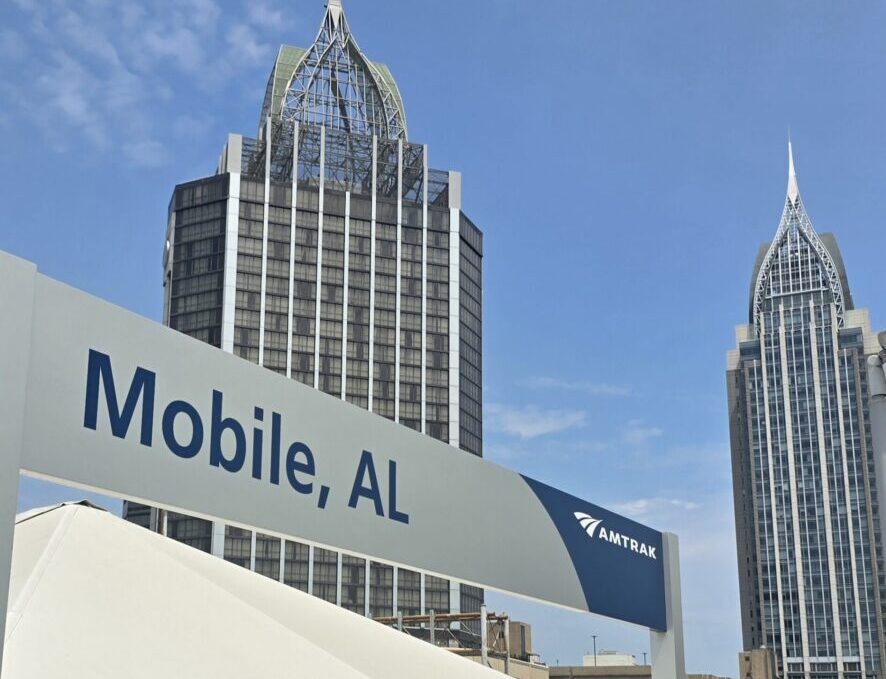
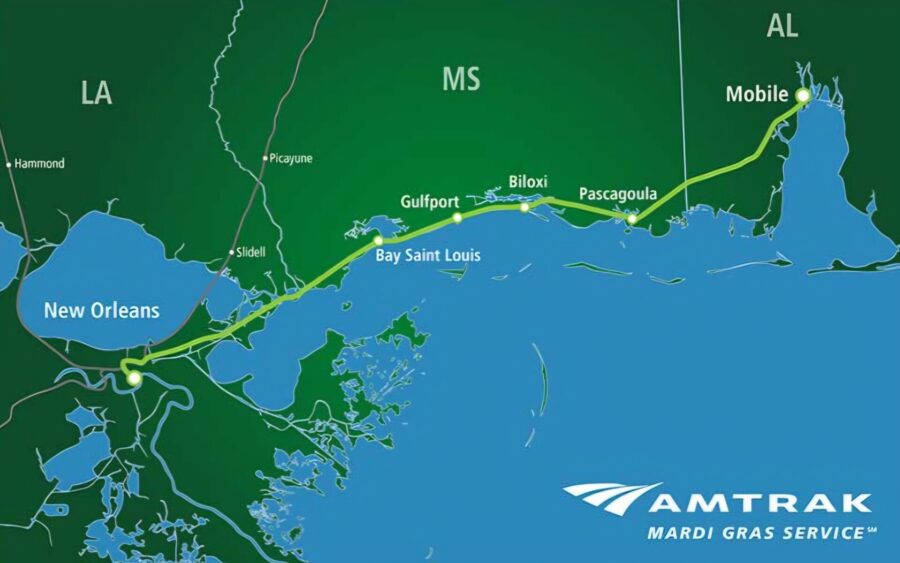
My journey aboard the Mardi Gras Train through the Coastal South ended in Mobile, Alabama, where America’s original carnival celebration began. I arrived expecting history, but quickly discovered a city full of surprises, from its rich cultural heritage and vibrant waterfront to the revelation that Mardi Gras was born here and was flourishing in Mobile long before New Orleans became famous for the tradition.
I was excited to spend time in a city I had driven through more than 100 times but knew surprisingly little about. Like many travelers crossing Interstate 10, I mostly associated Mobile with its famous attraction, the battleship U.S.S. Alabama. What I discovered was a destination rich in history, outstanding food, beautiful hotels, and authentic Southern hospitality. Mobile is one of the South’s most underrated cities and well worth a dedicated visit.
A Grand Arrival
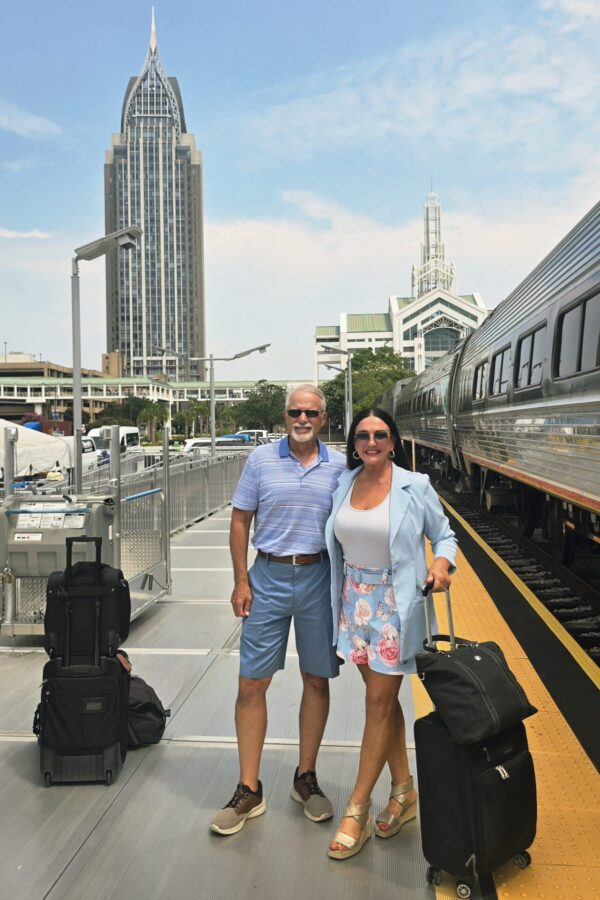
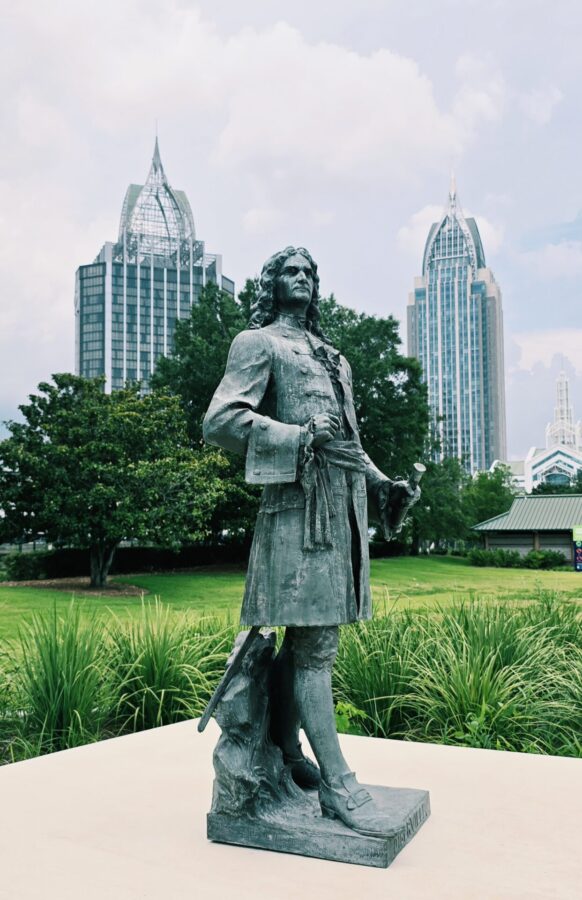
As our train rolled into the historic port city, Mobile’s skyline immediately caught my attention. Towering buildings rose above a historic waterfront that’s been central to the city’s story for more than 300 years.
Founded by the French in 1702, Mobile has been governed by the French, British, Spanish, and Americans, creating a fascinating blend of cultures and traditions that are still relevant and influence the city today.
Waiting at the Amtrak station was one of Mobile’s most charming transportation options, MOB City Rides. We climbed aboard their golf cart that would serve as our exclusive transportation throughout downtown while visiting Mobile. This fun ride offered a unique and up-close look at the city’s historic streets and architecture.
Our first destination was the iconic Battle House Renaissance Mobile Hotel & Spa. Originally opened in 1852, the hotel has welcomed presidents, dignitaries, and travelers for generations. Walking through the front doors, I was immediately captivated by the spectacular lobby. The soaring and intricate domed ceiling, elegant columns, and sparkling chandeliers that create one of the most impressive hotel entrances I’ve encountered anywhere in the world. The Battle House beautifully combines its historic legacy with modern luxury.
Discovering Mobile’s Food Scene
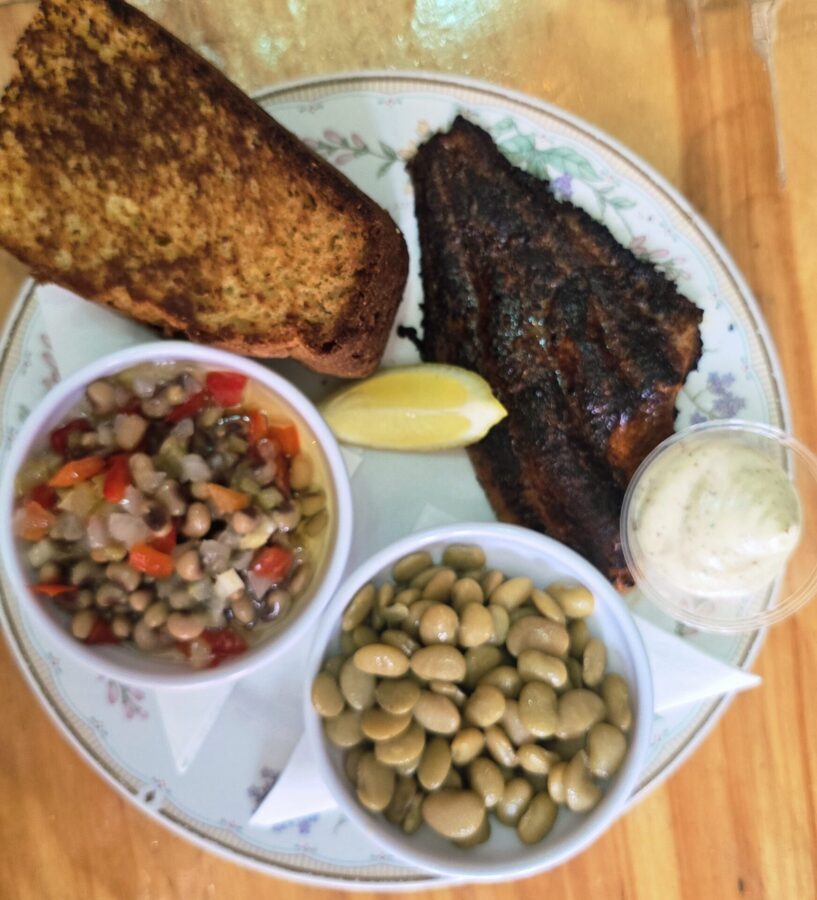
One of the biggest surprises of the trip was Mobile’s thriving culinary scene. Our first stop was at The Noble South. It’s recognized by the Michelin Guide and highlights locally sourced ingredients and Gulf Coast flavors with creative Southern flair. The deviled eggs and marinated Gulf shrimp were marvelous. Everything on their menu appealed to my appetite.
Bistro Saint Emanuel is another Mobile restaurant that is a standout. In the beautiful, historic Fort Conde Village, this restaurant offers an intimate dining experience any time of day. It features refined Southern Gulf Coast dishes in a delightful atmosphere. They make one of the best Bloody Mary cocktails and some of the tastiest cheese grits this Southern girl has ever had.
For a memorable evening, Dauphin’s offers upscale fine dining. Perched 424 feet in the air on the 34th floor of the RSA Trustmark Bank Building in downtown Mobile, it’s led by the talented, Executive Chef, Corky Sullivan. Dauphin’s is known for pairing a dramatic backdrop of Mobile Bay and the city skyline. The menu focuses on an all-scratch, farm-to-table approach blending Southern Coastal, French Creole, and Caribbean influences. I really enjoyed my Mobile Seafood Gumbo and Heron Bay Duck. Both were perfectly prepared.
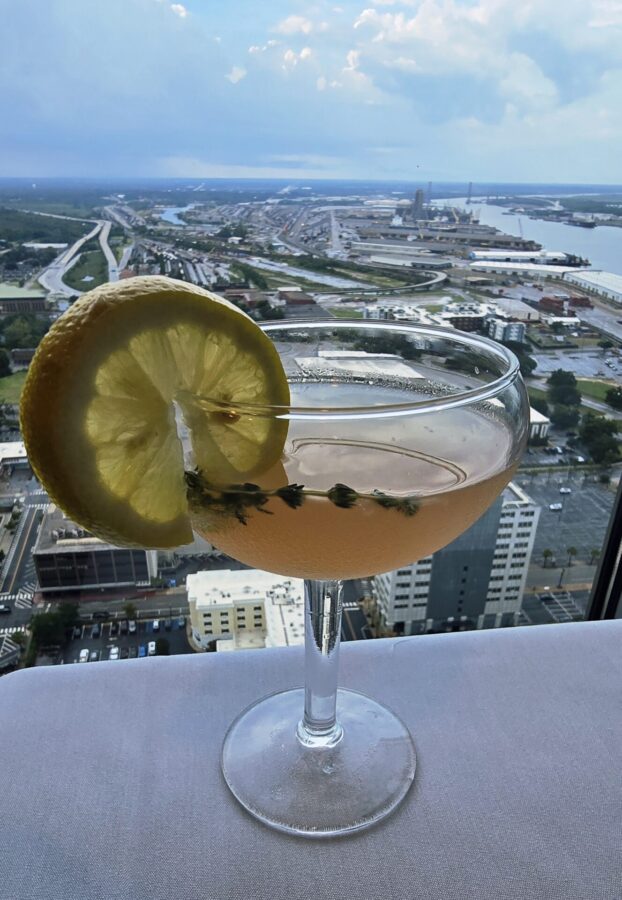
The view from inside of Dauphin’s is truly breathtaking. And our smoking dessert was a showstopper. Floor-to-ceiling windows offer sweeping panoramic views stretching over the Port of Mobile and across Mobile Bay—making it one of the most scenic and elegant dining rooms on the Gulf Coast. Sunset is obviously prime time. Their Bar424 is a dedicated piano bar featuring live music and craft cocktails. Dauphin’s is exceptional and could not be more romantic. What a perfect place to dine for any special occasion.
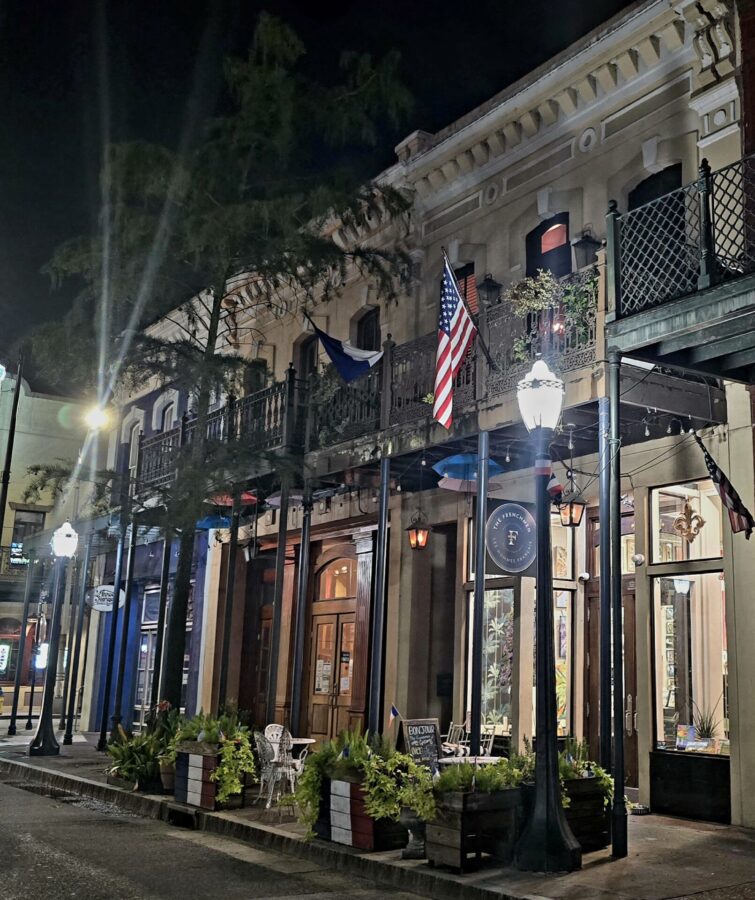
One of the most flavorful ways to experience Mobile is through Bienville Bites Food Tour, a guided walking adventure that blends the city’s rich history with its diverse culinary heritage. As we strolled through downtown streets lined with centuries-old architecture, our most knowledgeable and entertaining guide shared fascinating stories of Mobile’s French, Spanish, British, and American influences while leading us to a collection of locally owned restaurants. Each tasting offered a deeper connection to the city, from fresh Gulf seafood and Southern favorites to dishes inspired by Mobile’s multicultural roots. Along the way, we learned how trade, immigration, Mardi Gras traditions, and the port helped shape both the city’s identity and its cuisine. More than just a food tour, Bienville Bites provided an engaging introduction to Mobile’s past and present, revealing how history is woven into every neighborhood, landmark, and memorable bite.
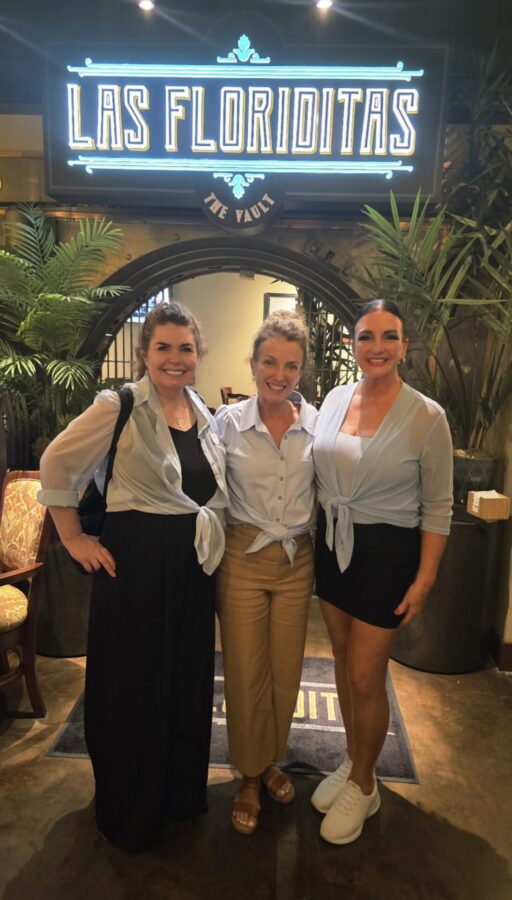
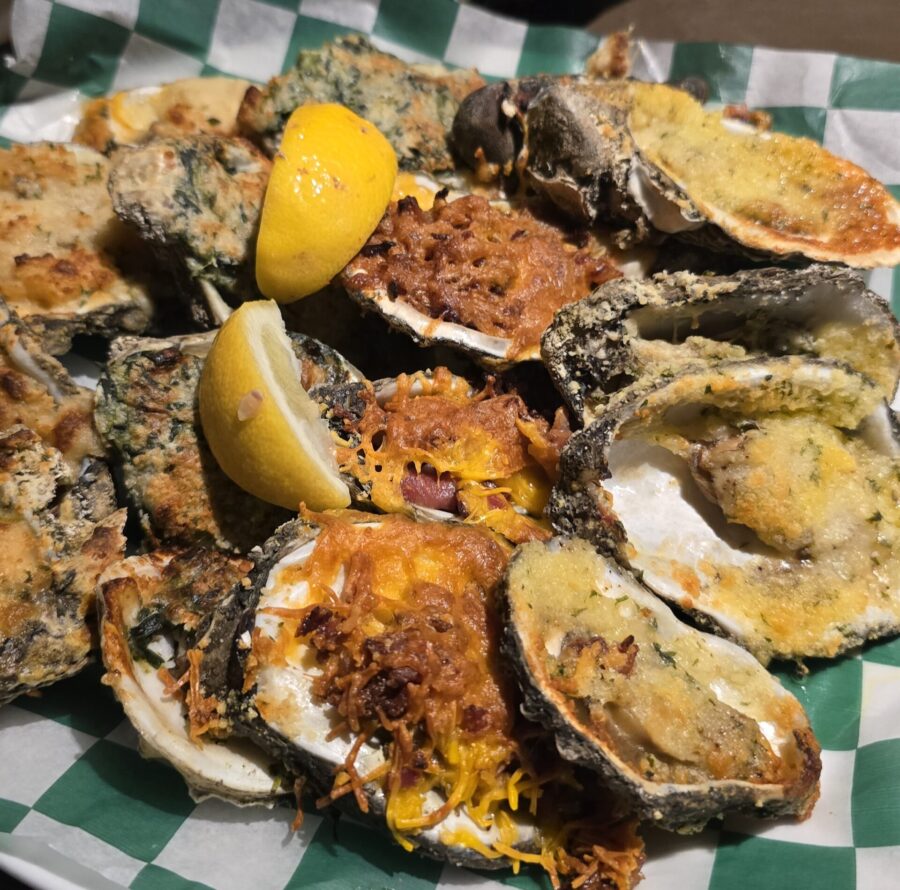
My personal favorites on the tour were Wintzell’s Oyster House and Las Floriditas. Wintzell’s is a Mobile institution famous for fresh Gulf oysters and its collection of humorous signs. Here you can get your oysters, fried, stewed or nude. Las Floriditas, our final stop, is a Cuban-inspired speakeasy that offers handcrafted cocktails in a prohibition-era setting that feels like a hidden treasure tucked away downtown.
A City Steeped in History
History enthusiasts could easily spend several days exploring Mobile’s museums and historic sites.
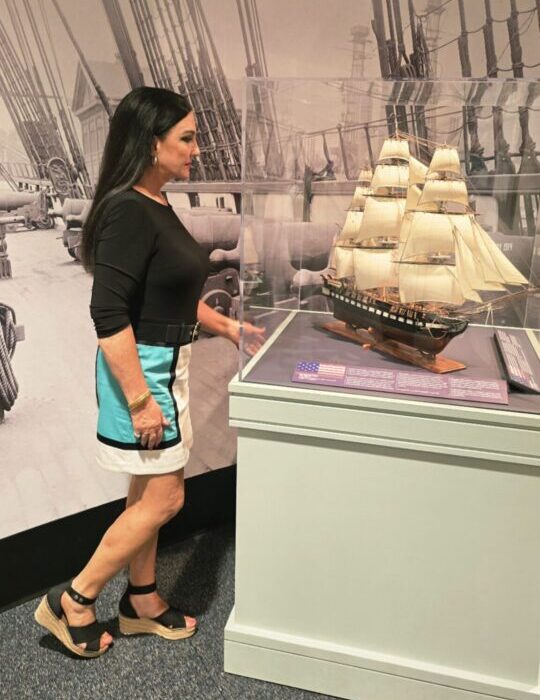
The star of the National Maritime Museum of the Gulf isn’t tucked away in a display case. Instead, the museum itself is built around and inside a massive model of a modern container ship that rises through the center of the building, creating an immersive experience that makes visitors feel as though they are traveling aboard one of the vessels that powers global commerce. As guests move from deck to deck, they encounter interactive exhibits that explore ship navigation, cargo operations, Gulf Coast trade, offshore industries, and life at sea, along with hands-on simulators, detailed ship models, historic artifacts, and multimedia displays that bring the region’s maritime story to life. Adding a touch of Gulf Coast nostalgia is the museum’s newest exhibit honors Jimmy Buffett, whose music and laid-back lifestyle perfectly captured the spirit of the region. It was fun learning about Buffett’s Mobile roots and discovering that, just like his famous lyric, he truly was a “son of a son of a sailor.” Located on the banks of the Mobile River, the museum also offers sweeping outdoor views of one of the nation’s busiest working ports, where towering container cranes, oceangoing ships, tugboats, and commercial traffic provide a real-world backdrop to the stories told inside. I found it fascinating.
History Museum of Mobile offers an engaging journey through more than three centuries of the city’s history, tracing its evolution from a French colonial settlement to a thriving modern Gulf Coast port. Interactive exhibits, artifacts, photographs, and immersive displays help bring Mobile’s multicultural heritage to life, highlighting the French, British, Spanish, African, and American influences that shaped the city. It’s the ideal starting point for understanding why Mobile’s story is unlike any other in the South. The two-story museum is housed in a stunning landmark structure originally constructed in the 19th century.
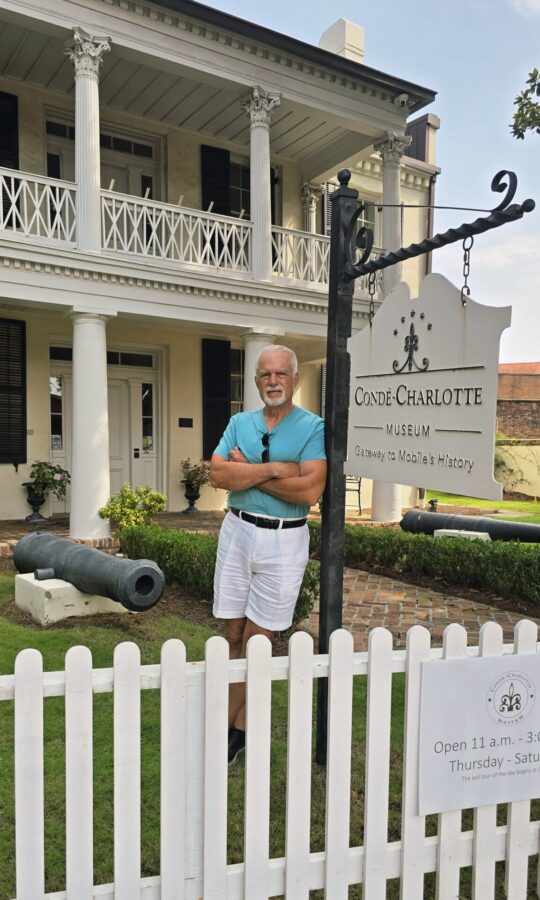
A visit to the Condé-Charlotte Museum provides a fascinating glimpse into Mobile’s colonial past. Originally built in the 1820s atop the ruins of an earlier structure, the home reflects the city’s changing rulers and architectural influences through period-furnished rooms representing Mobile’s French, English, Spanish, and early American eras. Just a short walk away, Colonial Fort Condé recreates a portion of the French fortification that once protected Mobile’s growing settlement. Walking through its gates, barracks, and defensive walls gives visitors a tangible connection to the city’s earliest days and strategic importance along the Gulf Coast. This is where history comes alive.
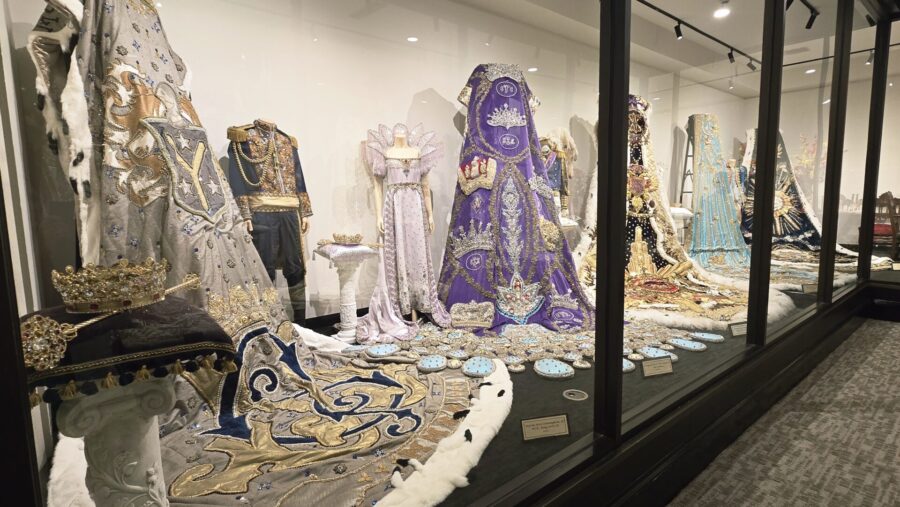
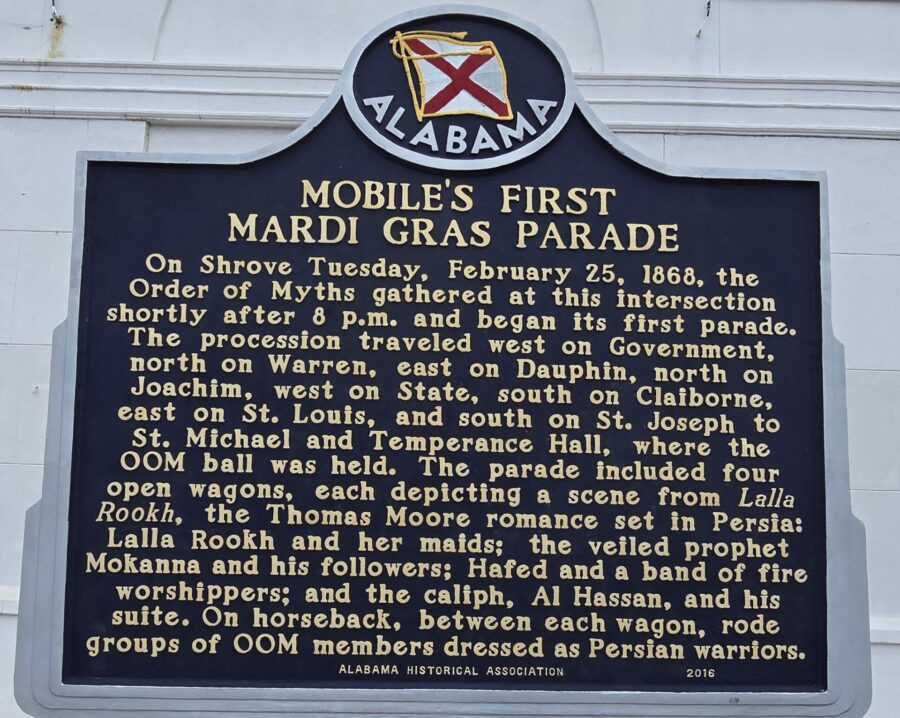
No visit to Mobile would be complete without exploring the Mobile Carnival Museum, which celebrates the city where Mardi Gras was born in America. Housed in a beautifully restored historic mansion, the museum showcases dazzling royalty robes, jeweled crowns, elaborate float designs, and centuries of Carnival memorabilia. Exhibits reveal the traditions of Mobile’s mystic societies and the artistry behind the annual celebrations, while helping visitors understand how Mardi Gras has remained a cherished part of the city’s identity for more than 300 years. The spectacular costumes alone are worth the visit, offering some of the most colorful and photogenic displays in Mobile. This museum was so fascinating and really helped to better understand the rich and beloved Mardi Gras legacy and tradition.
Where Mardi Gras Began
Before leaving, we wanted to experience the city often called the birthplace of Mardi Gras in America.
Long before New Orleans became internationally known for Carnival, Mobile established Mardi Gras traditions that continue today. Throughout Carnival season, the city comes alive with colorful parades, marching bands, festive balls, and family-friendly celebrations.
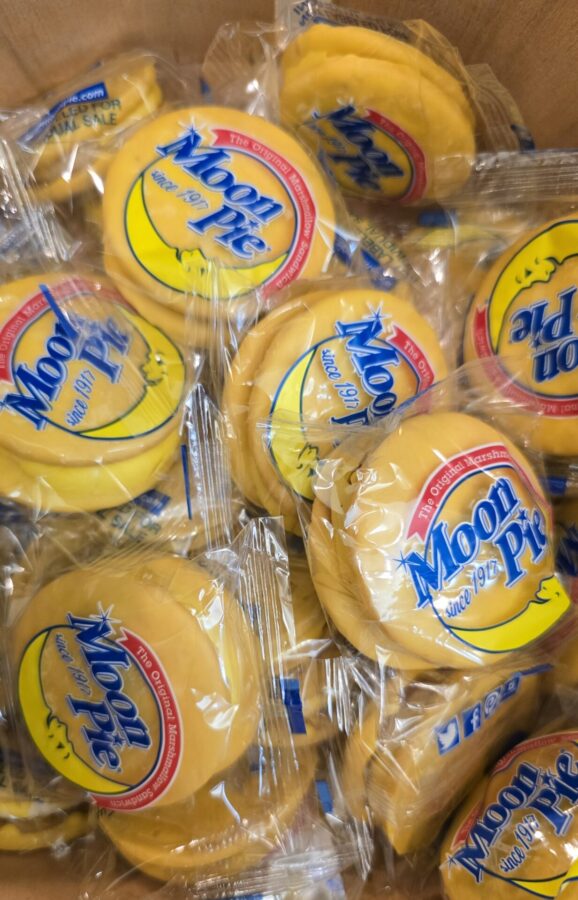
One uniquely Mobile tradition is the throwing of MoonPies from parade floats. This popular marshmallow cookie has been a Southern staple since 1917. Along with beads and trinkets, these sweet treats have become a beloved symbol of Mardi Gras in Mobile, and parade-goers eagerly collect them as floats roll by.
As my time in Mobile came to an end, I couldn’t help but wonder what I had been missing all these years by simply passing through. Taking the time to explore this historic port city revealed a destination rich in culture, history, and genuine Southern hospitality. It proved to be one of the most rewarding surprises of my entire Mardi Gras Train journey. With Amtrak’s twice-daily service connecting Mobile and New Orleans, with convenient stops along the Mississippi Gulf Coast, getting here has never been easier. Whether you’re traveling with family, friends, or your own Mardi Gras krewe, Mobile offers more than enough attractions, dining, and history to fill a memorable weekend or an extended Gulf Coast getaway.
Travel with Terri’s Mobile Checklist
Stay
- Battle House Renaissance Mobile Hotel & Spa
Dining
- The Noble South
- Bistro Saint Emanuel
- Dauphin’s
- Bienville Bites Food Tour
- Wintzell’s Oyster House
- Las Floriditas Speakeasy
Museums & Historic Sites
- National Maritime Museum of the Gulf
- Jimmy Buffett Exhibit
- History Museum of Mobile
- Conde-Charlotte Museum
- Colonial Fort Condé
-
Mobile Carnival Museum
To learn more about Mobile, Alabama, visit the city’s travel website. For more information on Amtrak’s Mardi Gras service, visit the railway’s website.