


By Angie Naughton, Denton County Master Gardener Association
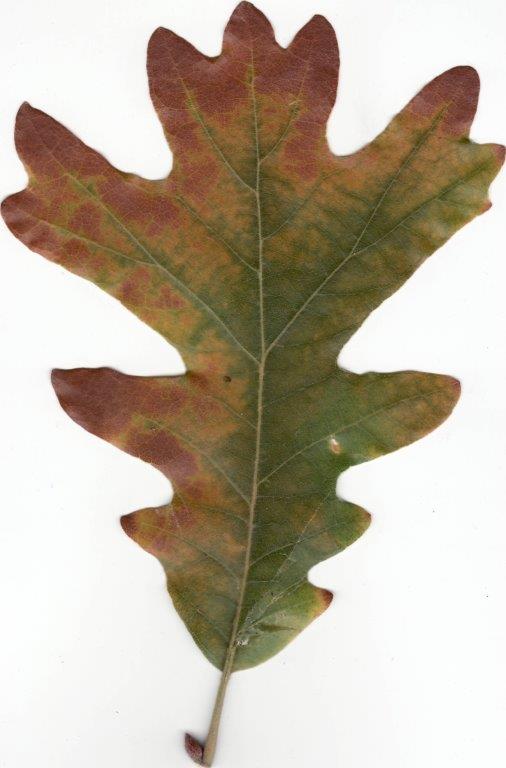
Fallen leaves used as mulch helps to conserve moisture, modifies the temperature of the soil, prevents soil erosion, reduces weed growth and provides a slow release of nutrients to plants.
There are several ways to manage fallen leaves:
- Mow a light covering of fallen leaves using a mulching blade and leave them in place on your lawn.
- Mow over leaves to shred and capture them in a mower’s bag attachment for effective distribution. Mulch ornamental beds, vegetable gardens and around trees and shrubs. Apply 3” to 6” around trees and shrubs leaving a 4” to 6” gap around the plants’ trunk or stem. Shredded leaves are also useful for garden paths.
- Work shredded leaves into clay soil to improve aeration and drainage of soil. Doing this in sandy soil will improve water and nutrient retention in the soil. A light broadcast of high nitrogen fertilizer over the area and keeping the area moist will help decompose the shredded leaves.
- Compost dry leaves along with other yard waste such as grass clippings, small shredded/chipped up plants, and weeds.
Leaves can also be decomposed by themselves into leaf mold. When worked into the soil, leaf mold improves the soil structure, provides a habitat for good soil organisms like earthworms and beneficial bacteria, holds moisture, and can be used as mulch.
Simple ways to make leaf mold:
- Rake the leaves into a pile, moisten them a little, and let them sit.
- Put the leaves into black plastic bags, wet them down, shake the bags to distribute the moisture, and then poke a few holes in the bags. Put the bags in a shady spot and check them every few months to add water if needed.
- Shred the leaves and add a little high nitrogen fertilizer to the pile or bags to speed up decomposition. Turning the pile with a garden fork and turning over the bags also helps them decompose. Leaf mold is ready when it is soft and crumbly.
For more information about gardening in North Texas see dcmga.com/north-texas-gardening
Happy Gardening!